- Understanding the Angel Wing Begonia
- Optimal Growing Conditions
- Light Requirements
- Temperature and Humidity
- Angel Wing Begonia Care Cheat Sheet
- Curating Your Angel Wing Collection
- Soil and Potting Considerations
- Featured Rare Specimen: Black Magic Begonia
- Featured Specimen: Pink Spot Angel Wing
- Watering and Feeding Protocols
- Irrigation Techniques
- Nutritional Requirements
- Common Challenges and Solutions
- Propagation Techniques
- Seasonal Care Adjustments
- Angel Wing Begonia FAQs
Understanding the Angel Wing Begonia
Angel wing begonias, with their distinctive asymmetrical leaves and pendulous clusters of vibrant blooms, represent one of the most captivating specimens in the Begonia genus. These cane-type begonias earned their celestial moniker from the wing-like shape of their foliage, which often displays striking silver stippling against emerald backdrops. Unlike their fibrous-rooted cousins, angel wings develop sturdy bamboo-like stems that can reach impressive heights when properly cultivated.
The taxonomical classification places most angel wing varieties within the Begonia coccinea lineage, though numerous cultivars have emerged through decades of horticultural refinement. Their epiphytic nature in wild habitats translates to specific care requirements that distinguish them from terrestrial begonia species.
Optimal Growing Conditions
Light Requirements
Angel wing begonias thrive in bright, indirect illumination—a lighting paradigm that mimics their native understory environment. Direct sunlight proves detrimental, causing foliar scorch and chromatic bleaching of their distinctive patterns. Position your specimen near east-facing fenestration or supplement with grow lights maintaining 2000-3000 foot-candles.
Insufficient luminosity manifests through etiolation, where internodal spacing increases dramatically while leaf pigmentation diminishes. Conversely, excessive light intensity triggers defensive anthocyanin production, resulting in reddish discoloration along leaf margins.
Temperature and Humidity
These tropical denizens prefer consistent temperatures between 65-75°F (18-24°C), with minimal fluctuation. Nighttime temperatures should remain above 60°F (15°C) to prevent physiological stress. Humidity requirements hover around 50-60%, achievable through humidifiers, pebble trays, or strategic grouping with other moisture-loving specimens.
Angel Wing Begonia Care Cheat Sheet
| Care Factor | Recommendation |
|---|---|
| Light | Bright indirect light |
| Water | Allow top inch of soil to dry |
| Humidity | 50–60% |
| Soil | Potting soil + perlite + bark |
| Temperature | 65–75°F |
Curating Your Angel Wing Collection
Building a comprehensive begonia collection requires careful consideration of complementary varieties and growth habits. Angel wings pair beautifully with rex begonias, whose ornate foliage provides textural contrast, and trailing species that create cascading compositions.
At Jungle Relics, we understand the allure of cultivating diverse begonia assemblages. Our expertly curated selection includes rare cultivars and time-tested favorites, each chosen for their unique characteristics and adaptability to indoor environments.
Soil and Potting Considerations
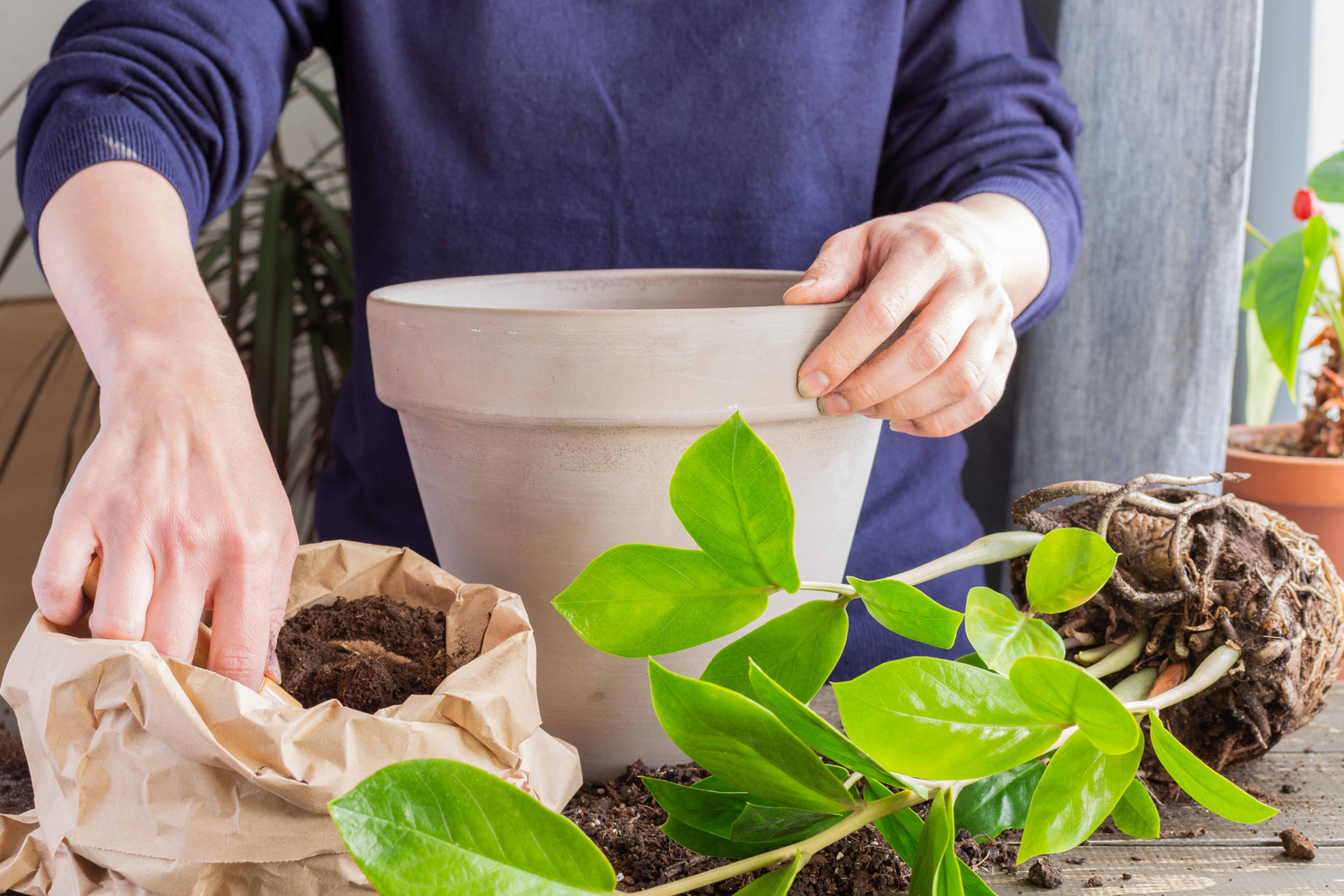
Angel wing begonias demand exceptional drainage coupled with moisture retention—a seemingly paradoxical requirement best achieved through specialized potting media. A blend of high-quality potting soil, perlite, and orchid bark creates the perfect substrate porosity.
"The secret to thriving angel wing begonias lies in mimicking their epiphytic nature—they want consistent moisture without waterlogged conditions that lead to devastating crown rot."
Container selection proves equally crucial. Terra cotta vessels provide excellent breathability, while plastic pots retain moisture longer. Ensure adequate drainage holes and consider double-potting for aesthetic appeal without compromising functionality.
Featured Rare Specimen: Black Magic Begonia
For collectors seeking a begonia with dramatic presence, Black Magic Angel Wing Begonia lives up to its mysterious name. This striking cultivar features deep, almost velvety green foliage dusted with shimmering silver spots that seem to glow against the dark leaf surface. The contrast between the rich foliage and bright spotting creates a bold, moody aesthetic that feels both vintage and modern.
True to the angel wing lineage, Black Magic develops elegant cane-like stems and elongated wing-shaped leaves that give the plant architectural height and movement. As it matures, it may produce cascading clusters of delicate pink blooms that add a soft counterpoint to its dramatic foliage.
Despite its exotic appearance, Black Magic remains approachable for growers who provide bright indirect light and consistent moisture. Its distinctive foliage makes it a standout specimen in any begonia collection, bringing a sense of intrigue and botanical artistry to indoor plant displays.
Featured Specimen: Pink Spot Angel Wing
For enthusiasts seeking a stunning introduction to angel wing cultivation, the Pink Spot variety represents an exceptional choice. This cultivar showcases the classic angel wing silhouette adorned with distinctive pink stippling that intensifies under optimal growing conditions. Its compact growth habit makes it perfect for tabletop displays or as a centerpiece in mixed arrangements.
The Pink Spot's resilient nature forgives minor care inconsistencies, making it ideal for collectors expanding their begonia repertoire. Its prolific blooming tendency ensures seasonal color displays that rival any flowering houseplant.
Watering and Feeding Protocols
Irrigation Techniques
Mastering the watering cadence requires understanding soil moisture dynamics. Allow the top inch of substrate to dry between irrigations, then water thoroughly until drainage occurs. Morning watering prevents prolonged leaf wetness that encourages fungal pathogens.
Seasonal adjustments prove essential—reduce frequency during winter dormancy while maintaining consistent humidity levels.
Nutritional Requirements
Angel wings benefit from balanced fertilization during active growth periods. A diluted liquid fertilizer (20-20-20) applied bi-weekly supports vigorous development without causing salt accumulation. Reduce feeding frequency to monthly during winter months when metabolic activity decreases.
Common Challenges and Solutions
| Problem | Cause | Solution |
|---|---|---|
| Leaf Drop | Overwatering or temperature shock | Adjust watering schedule and stabilize environment |
| Powdery Mildew | Poor air circulation | Improve ventilation and reduce humidity |
| Leggy Growth | Insufficient light | Relocate to brighter location or add grow lights |
Propagation Techniques
Angel wing begonias propagate readily through stem cuttings, making them excellent candidates for sharing with fellow enthusiasts. Select healthy terminal shoots approximately 4-6 inches long, ensuring each cutting includes at least two nodes.
- Remove lower leaves to prevent rot
- Allow cut surfaces to callus for several hours
- Root in water or moist propagation medium
- Maintain warm, humid conditions during establishment
Successful propagation typically occurs within 2-3 weeks, evidenced by emerging white root structures.

Seasonal Care Adjustments
Understanding seasonal rhythms enhances long-term success with angel wing begonias. Spring emergence signals increased watering and feeding requirements as new growth accelerates. Summer maintenance focuses on consistent moisture and protection from excessive heat.
Autumn preparation involves gradual reduction of water and nutrients as plants enter dormancy. Winter care emphasizes maintaining stable conditions while allowing natural rest periods that promote subsequent blooming cycles.
Written by Jungle Relics Plant Experts
Jungle Relics specializes in rare tropical houseplants and botanical art in Coeur d’Alene.
Angel Wing Begonia FAQs
What makes an angel wing begonia different from other begonias?
Angel wing begonias are cane-type begonias known for their tall bamboo-like stems and distinctive wing-shaped leaves. Unlike rex or fibrous begonias, they grow upright and often produce clusters of hanging flowers. Their foliage frequently features silver, pink, or white speckling that adds striking visual contrast.
How much light do angel wing begonias need?
Angel wing begonias thrive in bright, indirect light. An east-facing window or filtered sunlight is ideal. Too much direct sun can scorch the leaves, while insufficient light may cause leggy growth and reduced leaf coloration.
How often should you water angel wing begonias?
Water your angel wing begonia when the top inch of soil feels dry. Water thoroughly until excess drains from the bottom of the pot, then allow the soil to partially dry again before the next watering. Overwatering can lead to root rot, one of the most common issues with begonias.
Do angel wing begonias like humidity?
Yes. Angel wing begonias prefer moderate humidity around 50–60%. They will grow in typical household conditions but perform best with added humidity from a pebble tray, humidifier, or by grouping plants together.
What is the best soil for angel wing begonias?
Angel wing begonias grow best in well-draining soil that retains some moisture. A mix of high-quality potting soil, perlite, and orchid bark works well because it allows airflow around the roots while preventing waterlogged conditions.
How big do angel wing begonias grow indoors?
Most angel wing begonias grow 24–36 inches tall indoors, though mature plants can reach up to 4–5 feet if given the right conditions and pruning. Regular pinching encourages a bushier growth habit.
Are angel wing begonias easy to propagate?
Yes, angel wing begonias are very easy to propagate using stem cuttings. Cut a healthy 4–6 inch stem with at least two nodes and root it in water or moist soil. Roots typically develop within 2–3 weeks.
Why are the leaves falling off my angel wing begonia?
Leaf drop can occur due to several factors including:
- Overwatering
- Sudden temperature changes
- Low humidity
- Stress from relocation
Adjusting watering habits and maintaining stable indoor conditions usually resolves the issue.
Do angel wing begonias bloom indoors?
Yes. When grown in proper light, angel wing begonias produce clusters of pink, red, or white flowers that hang beneath the foliage. Blooms typically appear during the spring and summer growing season.
Are angel wing begonias toxic to pets?
Yes. Like many begonias, angel wing varieties contain calcium oxalate crystals, which are toxic if ingested by pets or humans. Keep plants out of reach of cats and dogs.