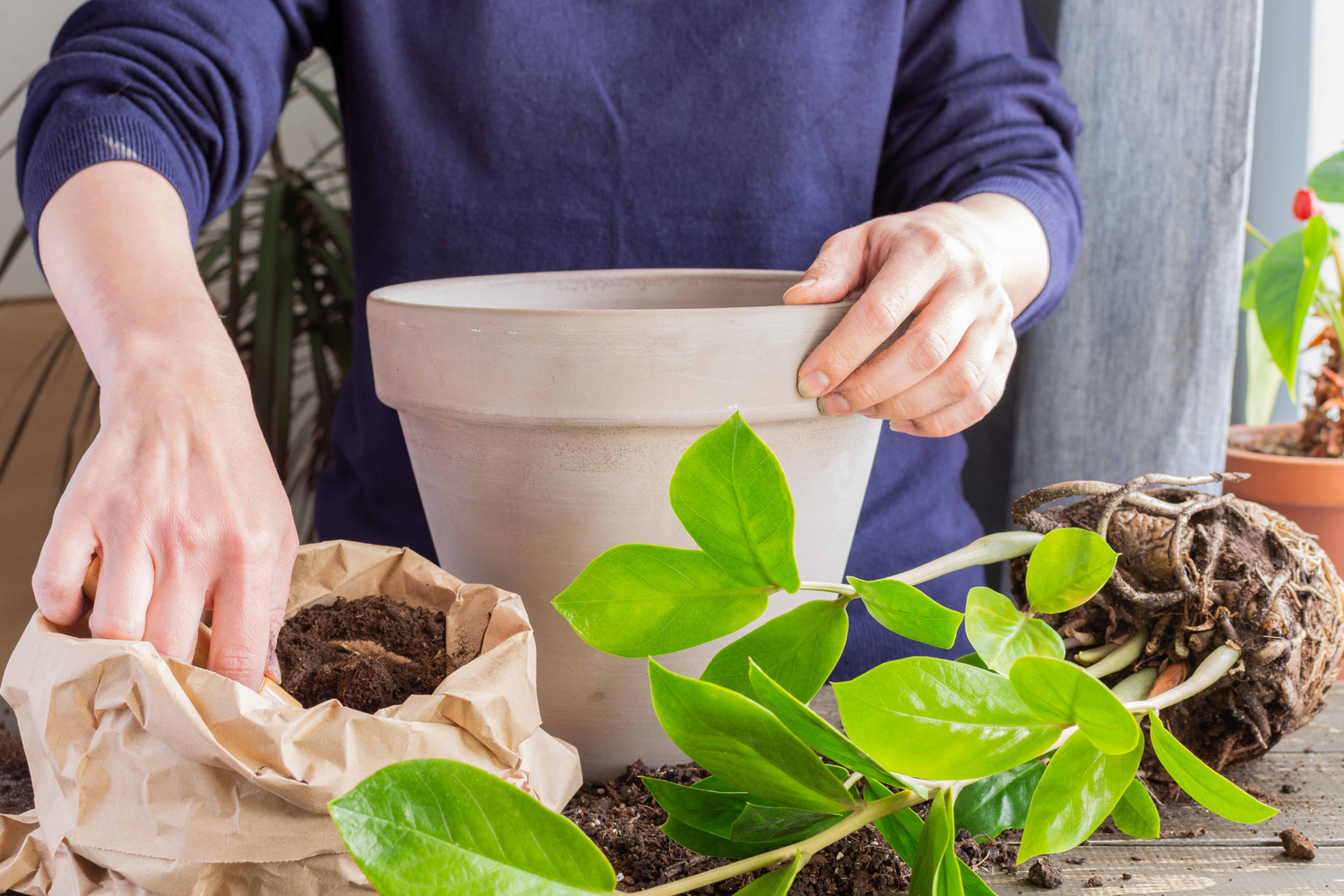
- Introduction: Why Exotic Plants Feel Different
- The Science Behind Plants and Mental Well-Being
- How nature exposure reduces stress and anxiety
- Biophilic design and its impact on mood, focus, and calm
- The role of novelty and curiosity in mental stimulation
- Exotic Plants as Mood Elevators
- Unique foliage patterns and color psychology
- Textural diversity and sensory engagement
- The joy of watching rare plants grow and change
- Examples:
- Care Rituals as Mindfulness Practices
- Daily plant care as a grounding routine
- The calming power of watering, pruning, and observation
- Slow care versus instant gratification culture
- The Tea & Plant Care Ritual
- Pairing plant care with tea as a multisensory mindfulness practice
- Suggested Ritual Flow:
- Tea Pairings by Intention:
- Turning routine care into intentional self-connection
- How consistent rituals support emotional resilience over time
- Mental Health Benefits by Plant Type
- Statement Plants: Confidence, creativity, and inspiration
- Trailing Plants: Flow, relaxation, and softness
- Textural Plants: Sensory grounding and presence
- Rare & Collector Plants: Purpose, joy, and accomplishment
- Exotic Plants and Emotional Regulation
- Creating peaceful spaces with plants
- Plants as companions during stress, grief, or burnout
- How nurturing life strengthens emotional resilience
- Designing Wellness-Focused Plant Spaces
- Creating a calming corner or sanctuary at home
- Light, placement, and spacing for mental clarity
- Pairing plants with tea, scent, music, and soft lighting
- Community, Connection, and Plant Culture
- How plant communities support belonging
- Workshops, swaps, and shared learning
- Plants as conversation starters and emotional bridges
- Choosing the Right Exotic Plant for Your Wellness Needs
- Low-maintenance plants for anxiety
- Rare plants for creative fulfillment
- Pet-safe options for peace of mind
- Matching plant personality to lifestyle
- Beyond Decor: Plants as Living Wellness Tools
- Plants as emotional anchors in daily life
- The long-term mental health impact of plant stewardship
- Reframing plants as care partners, not just décor
- Conclusion: Growing Wellness, One Plant at a Time
- How exotic plants support mental and emotional health
- Encouragement to slow down and create ritual
- Invitation to explore plants as part of a holistic wellness practice
Introduction: Why Exotic Plants Feel Different
The verdant revolution sweeping through modern homes isn't merely about aesthetics—it's a profound reconnection with nature's therapeutic essence. As urban dwellers increasingly recognize the symbiotic relationship between botanical companions and psychological well-being, exotic plants emerge as particularly potent allies in our quest for mental equilibrium.
Unlike their commonplace counterparts, rare and exotic specimens possess an almost mystical ability to captivate our consciousness. Their unusual morphology, intricate patterns, and otherworldly presence create neural pathways of wonder that transcend ordinary houseplant experiences. These living sculptures don't simply occupy space; they transform it into sanctuaries of contemplation.
"Exotic plants serve as daily portals to biodiversity's magnificent complexity, offering us glimpses into nature's most creative expressions while anchoring our restless minds in the present moment."
The allure extends beyond visual fascination. These botanical treasures become ritualistic touchstones—living art that breathes, grows, and responds to our nurturing touch. Each variegated leaf unfurling represents possibility. Every new growth node whispers promises of transformation, mirroring our own potential for renewal and resilience.
In a world saturated with digital overstimulation, exotic plants offer something increasingly rare: authentic, unhurried connection. They invite us into their slow-paced reality, where time moves in seasons rather than seconds, teaching us the profound art of patience while simultaneously grounding our scattered energy into something tangible and purposeful.

The Science Behind Plants and Mental Well-Being
Neurobiological research consistently demonstrates that exposure to natural environments triggers measurable reductions in cortisol levels, blood pressure, and sympathetic nervous system activity. This physiological cascade, known as the "stress recovery theory," explains why even brief encounters with botanical specimens can recalibrate our emotional equilibrium.
The concept of biophilic design—our innate affinity for living systems—operates on multiple sensory dimensions. Visual processing of organic forms activates the parasympathetic nervous system, promoting states of calm alertness. The fractal patterns inherent in plant structures mirror mathematical sequences found throughout nature, creating subconscious comfort through familiar complexity.
Phytoncides, the aromatic compounds released by plants, function as natural aromatherapy agents. These volatile organic compounds don't merely smell pleasant; they actively influence neurotransmitter production, particularly serotonin and dopamine pathways associated with mood regulation and cognitive clarity.
How nature exposure reduces stress and anxiety
Contemporary neuroscience reveals that nature interaction stimulates alpha brain wave production—the same frequencies associated with meditative states. When we engage with exotic plants, our minds shift from beta-dominated anxiety patterns into more harmonious neural rhythms. This transition occurs within minutes of focused botanical interaction.
Biophilic design and its impact on mood, focus, and calm
Strategic placement of exotic specimens creates microenvironments that enhance cognitive performance while reducing mental fatigue. The Japanese concept of "forest bathing" translates beautifully to indoor spaces populated with rare plants, where concentrated nature immersion yields therapeutic benefits comparable to outdoor wilderness experiences.

The role of novelty and curiosity in mental stimulation
Exotic plants trigger neuroplasticity through constant novelty presentation. Unlike static décor, these living entities evolve continuously, presenting new growth patterns, seasonal changes, and subtle variations that keep our minds engaged in healthy curiosity rather than rumination or worry.
Exotic Plants as Mood Elevators
The chromatic symphony and morphological diversity found in exotic plants create profound psychological impacts that extend far beyond conventional interior design. Each specimen functions as a living canvas, displaying nature's most sophisticated artistry while simultaneously influencing our emotional states through sophisticated color psychology principles.
Unique foliage patterns and color psychology
Variegated foliage patterns stimulate visual cortex activity in ways that solid-colored leaves cannot achieve. The interplay between chlorophyll-rich greens and creamy whites or golden yellows creates dynamic contrast that naturally draws our attention into meditative focus. This visual engagement activates the same neural pathways associated with art appreciation, releasing endorphins and promoting feelings of aesthetic satisfaction.
Deep burgundy and purple tones found in exotic specimens like Begonia rex cultivars trigger associations with luxury and sophistication while simultaneously grounding anxious energy. These rich hues contain longer wavelengths that our eyes process more slowly, naturally encouraging contemplative states rather than hypervigilant scanning behaviors.

Textural diversity and sensory engagement
Tactile interaction with diverse plant textures—from velvety Begonia leaves to the fenestrated architecture of mature Monsteras—provides proprioceptive grounding that anxiety specialists recognize as therapeutic. The subtle ridges, waxy surfaces, and delicate membrane structures invite gentle touch, creating mindful moments that interrupt stress cycles.
The joy of watching rare plants grow and change
Exotic plants offer the psychological gift of anticipation without anxiety. Unlike human relationships or career goals, plant growth provides predictable yet surprising developments that fulfill our need for positive change without overwhelming uncertainty.
Examples:
- Variegated Monsteras for visual intrigue: The iconic fenestrations developing in mature leaves create natural mandalas that promote meditative focus while the climbing nature symbolizes upward growth and aspiration.
- Begonias for color and texture: Rex begonias particularly offer metallic sheens and intricate patterns that shift with lighting conditions, providing ever-changing visual interest that combats monotony and depression.
- Anthuriums for sculptural calm: Their glossy, heart-shaped leaves and architectural flower spathes create zen-like focal points that encourage deep breathing and present-moment awareness.
Care Rituals as Mindfulness Practices

The quotidian act of tending exotic plants transcends mere horticulture, evolving into profound mindfulness exercises that anchor scattered consciousness in purposeful presence. These deliberate care sequences create sacred pauses within our hyperconnected existence, offering respite from digital overwhelm through tangible, life-affirming actions.
Daily plant care as a grounding routine
Morning plant observation rituals establish emotional baselines before external stressors accumulate. The simple act of checking soil moisture, examining new growth, or adjusting positioning creates meditative transitions between sleep and wakefulness. These gentle awakening practices activate the vagus nerve, promoting parasympathetic dominance that supports emotional regulation throughout demanding days.
The calming power of watering, pruning, and observation
Watering becomes contemplative when approached with intention rather than haste. The measured pour, the soil's absorption patterns, the subtle leaf movements—each element demands present-moment attention that naturally quiets mental chatter. Pruning dead foliage transforms into metaphorical release, symbolically shedding what no longer serves while making space for new growth.
Slow care versus instant gratification culture
Exotic plant stewardship inherently resists our culture's demand for immediate results. These specimens teach patience through their unhurried growth cycles, rewarding consistent attention over sporadic intensity. This temporal recalibration helps anxiety-prone individuals develop tolerance for uncertainty while building confidence through small, successful nurturing actions.
The Tea & Plant Care Ritual

Combining botanical care with tea ceremony creates multisensory mindfulness experiences that compound therapeutic benefits. The aromatic preparation phase signals nervous system transition from reactive to receptive states, while the warm liquid provides internal comfort as hands engage in external nurturing.
Pairing plant care with tea as a multisensory mindfulness practice
Steam from freshly brewed tea mingles with plant-released humidity, creating microenvironments rich in negative ions that naturally elevate mood. The ritual of selecting tea varieties, monitoring brewing temperatures, and timing steeping duration develops mindful attention to process rather than outcome—skills directly transferable to anxiety management.
Suggested Ritual Flow:
- Brew calming tea while observing plant needs from across the room
- Allow aromatic steam to signal transition from daily concerns to present awareness
- Approach plants with tea in hand, moving slowly and deliberately
- Tend to each specimen while taking measured sips between actions
- Conclude by returning both plant and vessel to their designated spaces, honoring the completed ritual
Tea Pairings by Intention:
| Tea Type | Mental Health Benefit | Best Paired with |
|---|---|---|
| Chamomile or Lavender | Stress relief and emotional calm | Evening care routines, anxious periods |
| Green Tea or Jasmine | Focus, clarity, and gentle energy | Morning observations, propagation tasks |
| Mint or Lemongrass | Refreshing senses and mood reset | Midday check-ins, seasonal transitions |
| Oolong or White Tea | Balance, presence, and reflection | Weekend deep-care sessions, repotting |
Turning routine care into intentional self-connection
The alchemy occurs when mechanical plant maintenance transforms into conscious communion. Each water droplet becomes an offering of attention. Every leaf inspection evolves into meditation on growth patterns—both botanical and personal. This metamorphosis from chore to ceremony creates sustainable wellness practices that nourish both plant and person simultaneously.
Practitioners often discover that plant needs mirror their own emotional states. Overwatering frequently correlates with anxiety-driven caretaking, while neglect reflects periods of depression or overwhelm. This botanical feedback loop develops emotional intelligence through non-judgmental observation of care patterns.
How consistent rituals support emotional resilience over time
Neuroplasticity research demonstrates that repeated mindfulness practices literally rewire neural networks toward greater stress tolerance. Daily plant rituals create anchoring experiences that become reliable sources of calm during turbulent periods. The cumulative effect builds emotional muscle memory—automatic responses that default toward grounding rather than spiraling.
Seasonal plant cycles provide natural frameworks for processing life transitions. Dormancy periods teach acceptance of rest phases, while spring growth spurts celebrate renewal possibilities. This organic rhythm helps individuals align with natural energy fluctuations rather than fighting against them, reducing the exhaustion that comes from constant productivity pressure.
Mental Health Benefits by Plant Type
Different exotic plant morphologies offer distinct psychological advantages, allowing individuals to curate botanical collections that address specific wellness needs. Understanding these therapeutic correspondences enables intentional plant selection based on desired emotional outcomes rather than purely aesthetic considerations.
Statement Plants: Confidence, creativity, and inspiration
Large-scale exotic specimens like Bird of Paradise or mature Fiddle Leaf Figs command spatial presence that mirrors personal empowerment. Their architectural stature creates psychological anchoring effects—when we successfully maintain impressive plants, our self-efficacy beliefs strengthen correspondingly. These botanical monuments serve as daily reminders of our nurturing capabilities, gradually building confidence through consistent care achievements.
The vertical growth patterns characteristic of statement plants psychologically encourage upward thinking and expanded perspectives. Their imposing presence breaks monotonous sight lines, creating visual disruption that stimulates creative problem-solving pathways while inspiring ambitious goal-setting behaviors.
Trailing Plants: Flow, relaxation, and softness
Cascading varieties like exotic Pothos cultivars or String of Hearts introduce graceful movement that psychologically counters rigid, angular environments. Their flowing forms activate parasympathetic responses associated with water imagery and natural rhythms, promoting states of ease and receptivity.
The downward growth direction symbolically encourages release and letting go—essential processes for anxiety management and trauma recovery. Observing their gentle descent teaches acceptance of natural cycles while providing visual metaphors for emotional flow rather than resistance.
Textural Plants: Sensory grounding and presence
Succulents with unusual textures—fuzzy Kalanchoe varieties or geometric Haworthia species—offer immediate sensory engagement that interrupts dissociative episodes and grounds scattered attention. Their unique surfaces invite tactile exploration that activates proprioceptive awareness, essential for individuals recovering from anxiety disorders or trauma responses.
The concentrated, compact nature of textural plants makes them ideal for small-space wellness corners or office environments where subtle grounding tools prove most practical.
Rare & Collector Plants: Purpose, joy, and accomplishment
Pursuing uncommon specimens creates meaningful projects that combat depression through goal-oriented engagement. The research, acquisition, and specialized care required for rare plants provides structure and purpose while building expertise that enhances self-worth.
Collector plants offer unique social connection opportunities through specialist communities, combating isolation while providing shared interests that transcend typical social anxieties. The inherent value and rarity create investment mindset that encourages long-term thinking and patience development.
Exotic Plants and Emotional Regulation
The therapeutic relationship between humans and exotic plants extends beyond surface-level aesthetics into profound emotional territory where botanical companions serve as silent counselors during life's most challenging passages. These living allies offer consistent, non-judgmental presence that supports emotional processing without the complexity of human relationships.
Creating peaceful spaces with plants

Strategic placement of exotic specimens transforms ordinary rooms into sanctuary spaces where nervous systems can decompress naturally. The visual weight and organic forms of unusual plants create psychological boundaries that signal safety to the subconscious mind. Corner arrangements featuring dramatic foliage establish retreat zones where overwhelming emotions can be processed privately.
The air-purifying capabilities of exotic plants create measurably cleaner environments that support clearer thinking and emotional equilibrium. Improved oxygen levels directly influence serotonin production while filtered air reduces inflammatory responses that can exacerbate anxiety and depression symptoms.
Plants as companions during stress, grief, or burnout
During periods of acute emotional distress, exotic plants provide grounding focal points that interrupt rumination cycles. Their steady presence offers comfort without demands—unlike human relationships that may feel overwhelming during vulnerable moments. The simple act of sitting beside a favored specimen while experiencing difficult emotions provides co-regulation benefits similar to therapy animals.
Grief recovery particularly benefits from plant companionship because botanical growth cycles normalize the rhythm of loss and renewal. Watching new leaves emerge after winter dormancy provides hope during seemingly endless sorrow, while the patience required for plant recovery mirrors healthy grieving timelines.
How nurturing life strengthens emotional resilience
The responsibility of keeping another living being thriving creates psychological scaffolding that supports personal resilience building. Each successful plant care decision reinforces agency and competence—crucial elements for overcoming learned helplessness patterns common in depression and anxiety disorders.
Exotic plants require attentive observation to thrive, developing diagnostic skills that transfer to emotional self-awareness. Learning to recognize subtle signs of plant stress builds capacity for identifying personal emotional needs before crisis points arise, creating proactive rather than reactive coping strategies.
Designing Wellness-Focused Plant Spaces
Intentional botanical space design transcends random plant placement, creating therapeutic environments that maximize exotic plant benefits through strategic positioning, lighting considerations, and sensory integration. These curated sanctuaries become powerful tools for emotional regulation and mental restoration.
Creating a calming corner or sanctuary at home

Designated wellness corners anchored by exotic plants establish neurological cues for relaxation and introspection. The key lies in spatial definition—using plant height and density to create psychological boundaries that signal transition from active to restorative space. Corner locations naturally feel protective while maximizing available light from adjacent walls.
Layering plants at varying heights creates visual depth that encourages prolonged observation, naturally slowing racing thoughts through soft focus attention. Trailing varieties softly define edges while statement plants provide focal anchors that ground scattered energy into concentrated presence.
Light, placement, and spacing for mental clarity

Natural light exposure through plant interaction provides crucial circadian rhythm support essential for mood stability. Positioning exotic specimens near windows creates daily light therapy opportunities disguised as routine plant care, supporting seasonal affective disorder management and general mental clarity.
Proper spacing between specimens prevents visual overwhelm while allowing each plant's unique characteristics to shine individually. Overcrowded arrangements trigger claustrophobic responses that counteract therapeutic intentions, while sparse layouts may feel cold and unwelcoming.
Strategic placement considers sightlines from primary living areas—ensuring exotic plants remain visible during daily activities provides consistent mood elevation through peripheral awareness of natural beauty.
Pairing plants with tea, scent, music, and soft lighting
Multisensory integration amplifies exotic plant benefits through synergistic environmental design. Dedicated tea preparation areas adjacent to plant displays create natural ritual spaces where warming beverages complement botanical presence. The aromatic interplay between tea varieties and plant-released compounds creates complex scent profiles that anchor positive memories.
Ambient lighting designed for evening plant appreciation extends therapeutic benefits beyond daylight hours. Warm LED strips positioned to highlight textural details transform exotic specimens into living sculptures that promote contemplation during typically anxious evening hours.
Curated soundscapes featuring natural environments enhance the biophilic experience while masking urban noise pollution that can elevate stress hormones. Gentle water features positioned among plant groupings create negative ion generation while providing soothing background rhythm that supports nervous system regulation.
Community, Connection, and Plant Culture
The burgeoning exotic plant community offers profound antidotes to modern isolation through shared botanical passion that transcends traditional social barriers. These green-centered connections provide authentic relationship building opportunities while reducing social anxiety through common ground establishment.
How plant communities support belonging
Plant enthusiast groups create inclusive spaces where knowledge sharing replaces competitive dynamics common in other hobbies. The collaborative nature of plant care wisdom—from propagation techniques to pest management strategies—fosters generous community spirit where experienced collectors eagerly mentor newcomers without judgment or gatekeeping behaviors.
Online plant communities provide crucial support networks for individuals struggling with social anxiety or geographic isolation. Sharing plant growth updates, troubleshooting care challenges, and celebrating botanical milestones creates meaningful interactions that build social confidence while maintaining comfortable boundaries.
The universal language of plant appreciation bridges cultural, economic, and generational divides, creating diverse community connections that might not occur through traditional social channels. Exotic plant enthusiasm unites people across vastly different backgrounds through shared wonder at nature's complexity.
Workshops, swaps, and shared learning

Hands-on plant workshops provide structured social interaction that feels purposeful rather than obligatory. Learning propagation techniques, repotting methods, or pest identification alongside others creates natural conversation flows while building practical skills that enhance personal plant success.
Plant swap events transform decluttering into community building, where excess growth becomes gifts that strengthen social bonds. The reciprocal nature of trading creates ongoing relationships as participants follow their exchanged plants' progress, maintaining connections through shared botanical investment.
These educational gatherings particularly benefit individuals recovering from depression or grief by providing gentle re-entry into social engagement through low-pressure, interest-based activities that don't require emotional vulnerability or extensive small talk.
Plants as conversation starters and emotional bridges
Exotic plants serve as natural icebreakers that redirect social anxiety into botanical expertise sharing. Unusual specimens prompt genuine curiosity that creates authentic conversation opportunities, allowing socially anxious individuals to share knowledge rather than navigate personal disclosure pressures.
The non-threatening nature of plant-centered discussions provides safe topics for building rapport while developing social skills gradually. Success in plant care translates into conversation confidence as individuals gain expertise worth sharing, building self-esteem through community recognition of botanical knowledge.
Choosing the Right Exotic Plant for Your Wellness Needs
Selecting exotic specimens based on therapeutic goals rather than impulse purchases maximizes mental health benefits while ensuring sustainable care relationships. Understanding the correlation between plant characteristics and psychological support needs enables intentional curation of botanical allies tailored to individual wellness journeys.
Low-maintenance plants for anxiety
Anxiety-prone individuals benefit enormously from resilient exotic varieties that forgive inconsistent care patterns without dramatic decline. Snake plants with unusual variegation patterns or ZZ plants in rare black cultivars provide striking visual interest while tolerating neglect during overwhelming periods. These forgiving specimens prevent care-related stress that can exacerbate existing anxiety symptoms.
Drought-tolerant succulents like exotic Haworthia varieties offer immediate gratification through minimal care requirements while providing textural grounding benefits. Their architectural forms create calming focal points that support meditation practices without demanding daily attention that might feel overwhelming during high-stress periods.
Rare plants for creative fulfillment
Artists, writers, and creative professionals often find inspiration through caring for unusual specimens that mirror their appreciation for uniqueness and artistic expression. Variegated Monstera varieties or rare Philodendron cultivars provide visual complexity that stimulates creative thinking while offering purposeful projects that complement rather than compete with artistic pursuits.
The research required to properly care for rare specimens engages analytical thinking that balances creative energy, preventing the scattered focus that can plague artistic minds. Limited availability creates meaningful acquisition projects that provide structure and goal orientation during creative lulls.
Pet-safe options for peace of mind
Households with companion animals require careful exotic plant selection to prevent toxicity concerns that can increase rather than decrease anxiety. Pet-safe options like rare Peperomia varieties, unusual Haworthia species, or exotic Hoya cultivars provide botanical interest without safety risks that might create ongoing worry.
Prayer plants in uncommon varieties offer dramatic foliage movement and color patterns while remaining completely safe for curious pets. Their evening leaf-folding behavior provides natural entertainment that enriches both human and animal household members.
Matching plant personality to lifestyle
Busy professionals benefit from slow-growing exotic specimens that reward patience rather than demanding frequent intervention. Mature exotic plants with established growth patterns provide stability and presence without the intensive monitoring required by rapidly-developing varieties.
Conversely, individuals seeking more engagement might choose faster-growing exotic varieties that provide frequent positive reinforcement through visible progress, supporting motivation during depression recovery or major life transitions requiring hope and forward momentum.
Beyond Decor: Plants as Living Wellness Tools
The paradigm shift from viewing exotic plants as decorative objects to recognizing them as active wellness instruments fundamentally transforms their therapeutic potential. This conceptual evolution repositions botanical companions as integral components of holistic health practices rather than passive environmental enhancements.
Plants as emotional anchors in daily life
Exotic plants function as consistent emotional reference points that provide stability during turbulent periods. Their predictable growth cycles and care requirements create reliable touchstones when life circumstances feel chaotic or unpredictable. Morning plant observations become emotional check-ins that establish daily baselines before external stressors accumulate.
The physical presence of thriving exotic specimens serves as tangible evidence of successful nurturing—powerful counter-narratives to negative self-talk or feelings of inadequacy. Each healthy leaf represents competence, while new growth symbolizes personal capacity for positive change and development.
Strategic placement of meaningful exotic plants creates visual reminders of resilience and growth potential throughout living spaces. These botanical anchors interrupt negative thought spirals by redirecting attention toward life-affirming symbols that embody hope and renewal.
The long-term mental health impact of plant stewardship
Sustained exotic plant care develops psychological resilience through accumulated mastery experiences that build confidence gradually over time. Each successful season, recovered plant, or propagation success contributes to emotional reserves that support mental health during challenging periods.
The extended timeline of plant relationships—often spanning years or decades—provides continuity that stabilizes identity during major life transitions. Watching exotic specimens mature alongside personal growth creates meaningful narratives of shared development and mutual support.
Long-term plant stewardship teaches essential life skills including patience, observation, adaptability, and acceptance of natural cycles—all crucial components of emotional regulation and stress management that transfer directly to human relationships and personal challenges.
Reframing plants as care partners, not just décor
Recognizing exotic plants as reciprocal relationships rather than one-sided care responsibilities transforms the dynamic from burden to partnership. Plants provide oxygen, visual beauty, and emotional grounding in exchange for water, light management, and occasional repotting—a fair trade that benefits both parties.
This partnership perspective reduces perfectionist pressure while encouraging self-compassion during care mistakes. Plant recovery from overwatering or neglect demonstrates resilience and forgiveness, modeling healthy responses to human errors and setbacks.
The mutual dependency inherent in plant-human relationships provides gentle structure for individuals struggling with purpose or meaning, creating daily responsibilities that feel manageable rather than overwhelming while contributing to something larger than personal concerns.
Conclusion: Growing Wellness, One Plant at a Time

The journey through exotic plant benefits reveals a profound truth: mental wellness flourishes not through dramatic interventions, but through consistent, gentle practices that honor our innate connection to living systems. These botanical allies offer something increasingly rare in our accelerated world—patient companionship that asks nothing more than presence and care.
How exotic plants support mental and emotional health
The cumulative evidence demonstrates that exotic plants transcend decorative function to become active therapeutic partners in mental health maintenance. Their unique morphologies, care requirements, and growth patterns create multifaceted support systems that address anxiety through grounding, depression through purpose, and isolation through community connection.
Unlike pharmaceutical interventions or intensive therapies, exotic plant relationships offer sustainable, side-effect-free wellness support that strengthens over time rather than requiring escalation. The investment in botanical care yields compound returns through enhanced emotional regulation, improved stress tolerance, and deeper connection to natural rhythms that support circadian health.
Most significantly, exotic plants provide accessible mental health tools that don't require special training, expensive equipment, or clinical supervision. Their therapeutic benefits unfold naturally through ordinary interactions—watering, observing, arranging, and simply coexisting within shared spaces.
Encouragement to slow down and create ritual
The modern epidemic of hurry sickness finds its antidote in the unhurried pace of plant care, where rushing achieves nothing and patience yields everything. Exotic plant stewardship teaches the revolutionary act of moving at natural speed—a skill that extends far beyond horticulture into every aspect of wellness-focused living.
Creating intentional rituals around plant care transforms routine maintenance into sacred practices that nourish both giver and receiver. These moments of deliberate slowness become islands of calm within chaotic schedules, building resilience reserves that sustain mental health during demanding periods.
Invitation to explore plants as part of a holistic wellness practice
The exotic plant benefits explored throughout this journey represent just the beginning of a lifelong relationship with botanical wellness. Each specimen offers unique lessons, seasonal teachings, and growth opportunities that evolve alongside personal development and changing life circumstances.
Consider exotic plants not as additions to existing wellness routines, but as foundational elements that support and enhance other mental health practices. Their presence amplifies meditation benefits, enriches mindfulness exercises, and provides grounding support for therapy work or stress management techniques.
The invitation stands before you: to cultivate not just plants, but patience, presence, and profound connection to the healing wisdom that grows quietly in every pot, waiting to transform both space and spirit through the simple act of caring.
Frequently Asked Questions: Why Exotic Plants Feel Different
Why do exotic plants feel more emotionally impactful than regular houseplants?
Exotic plants feel different because their unusual shapes, rare foliage patterns, and evolving growth create a deeper sense of curiosity and wonder. This novelty stimulates the brain, encourages mindfulness, and helps shift attention away from stress and rumination into present-moment awareness.
How do exotic plants improve mental health and well-being?
Exotic plants support mental health by lowering stress hormones, promoting calm through biophilic design, and providing grounding rituals through care routines. Their presence can reduce anxiety, improve focus, elevate mood, and foster emotional resilience over time.
Is there scientific evidence that plants reduce stress and anxiety?
Yes. Research shows that exposure to plants lowers cortisol levels, reduces blood pressure, and activates the parasympathetic nervous system. Natural elements also stimulate alpha brain waves—associated with calm, meditative states—within minutes of interaction.
What makes rare or unusual plants especially calming?
Rare plants engage the brain through novelty and complexity. Their evolving growth patterns, variegation, and textures activate curiosity and neuroplasticity, helping the mind stay engaged without overstimulation—unlike static décor or digital media.
Can caring for plants be considered a mindfulness practice?
Absolutely. Plant care rituals—watering, pruning, observing new growth—naturally slow the mind and anchor attention in the present moment. These repetitive, intentional actions function as embodied mindfulness, similar to meditation or breathwork.
How does plant care help with emotional regulation?
Caring for plants builds emotional regulation by reinforcing patience, observation, and consistency. Over time, these practices rewire stress responses, helping individuals shift from reactive patterns into grounded, intentional states.
What types of exotic plants are best for anxiety relief?
Low-maintenance exotic plants like ZZ plants, snake plants, prayer plants, and drought-tolerant succulents are ideal for anxiety. They offer visual interest without demanding constant care, reducing the risk of stress from over-responsibility.
Which exotic plants are best for creativity and inspiration?
Variegated Monsteras, Begonias, Anthuriums, and rare Philodendrons are especially inspiring. Their complex patterns, bold forms, and sculptural presence stimulate creative thinking while providing grounding structure.
Are there pet-safe exotic plants for wellness-focused homes?
Yes. Pet-safe options include prayer plants (Maranta), Peperomia varieties, Haworthia, and many Hoyas. These plants offer rich visual and sensory benefits without posing toxicity risks to cats or dogs.
Why do trailing plants feel so calming in a space?
Trailing plants introduce movement and flow, which the brain associates with water and natural rhythms. Their downward growth encourages relaxation, release, and emotional softness—counteracting rigid or stressful environments.
How does pairing tea with plant care enhance mindfulness?
Tea and plant care together create a multisensory ritual. Warmth, aroma, slow sipping, and tactile plant interaction work together to calm the nervous system, deepen presence, and signal a shift from productivity to restoration.
What is biophilic design and why does it matter for mental health?
Biophilic design integrates natural elements—like plants, light, and organic forms—into living spaces. It supports mood regulation, focus, and calm by aligning environments with our innate connection to nature.
Can exotic plants help with grief, burnout, or emotional exhaustion?
Yes. Exotic plants provide steady, non-judgmental companionship during difficult emotional periods. Their growth cycles model resilience and renewal, offering comfort, hope, and gentle structure without emotional demands.
How do plants help build long-term emotional resilience?
Long-term plant care builds confidence through mastery, patience through slow growth, and emotional awareness through observation. Over time, these experiences strengthen stress tolerance and reinforce a sense of purpose and capability.
How should I design a wellness-focused plant space at home?
Create a calming corner using layered plants at different heights, natural light, and intentional spacing. Pair plants with soft lighting, tea rituals, scent, or gentle music to create a sanctuary that signals rest and emotional safety.
Are exotic plants just décor, or can they be wellness tools?
Exotic plants are active wellness tools. They support emotional grounding, routine-building, creativity, and nervous system regulation. When approached intentionally, they become care partners—not just decorative objects.
What’s the best way to start using plants as part of a wellness routine?
Start small. Choose one plant that resonates emotionally, place it where you’ll see it daily, and create a simple ritual—morning observation, evening watering, or tea-time care. Consistency matters more than