- The Sad Stick With Four Leaves
- 🌴 Why Rubber Plants Can Be Amazing (If You Know the Truth)
- ☀️ The Reality Check: What Rubber Trees Actually Need to Thrive
- Light
- Temperature & Environment
- Watering Schedule
- Nutrients & Soil
- 🌱 Types of Rubber Trees + Special Care Notes
- 📜 A Little History — From Tropical Forests to Living Rooms
- 🪴 Introducing a Rubber Tree Into Your Home (Without Shock)
- 🎨 Styling Rubber Plants the Jungle Relics Way
- Pot Choices
- Design Pairings
- Visual Placement
- ⚠️ Why Rubber Plants Fail So Often (And It's Not Your Fault)
- 💡 Pro Tips From Repotting Too Many Sad Rubber Plants
- 🌿 Final Thoughts — Rubber Plants Don't Suck… But They're Honest
The Sad Stick With Four Leaves
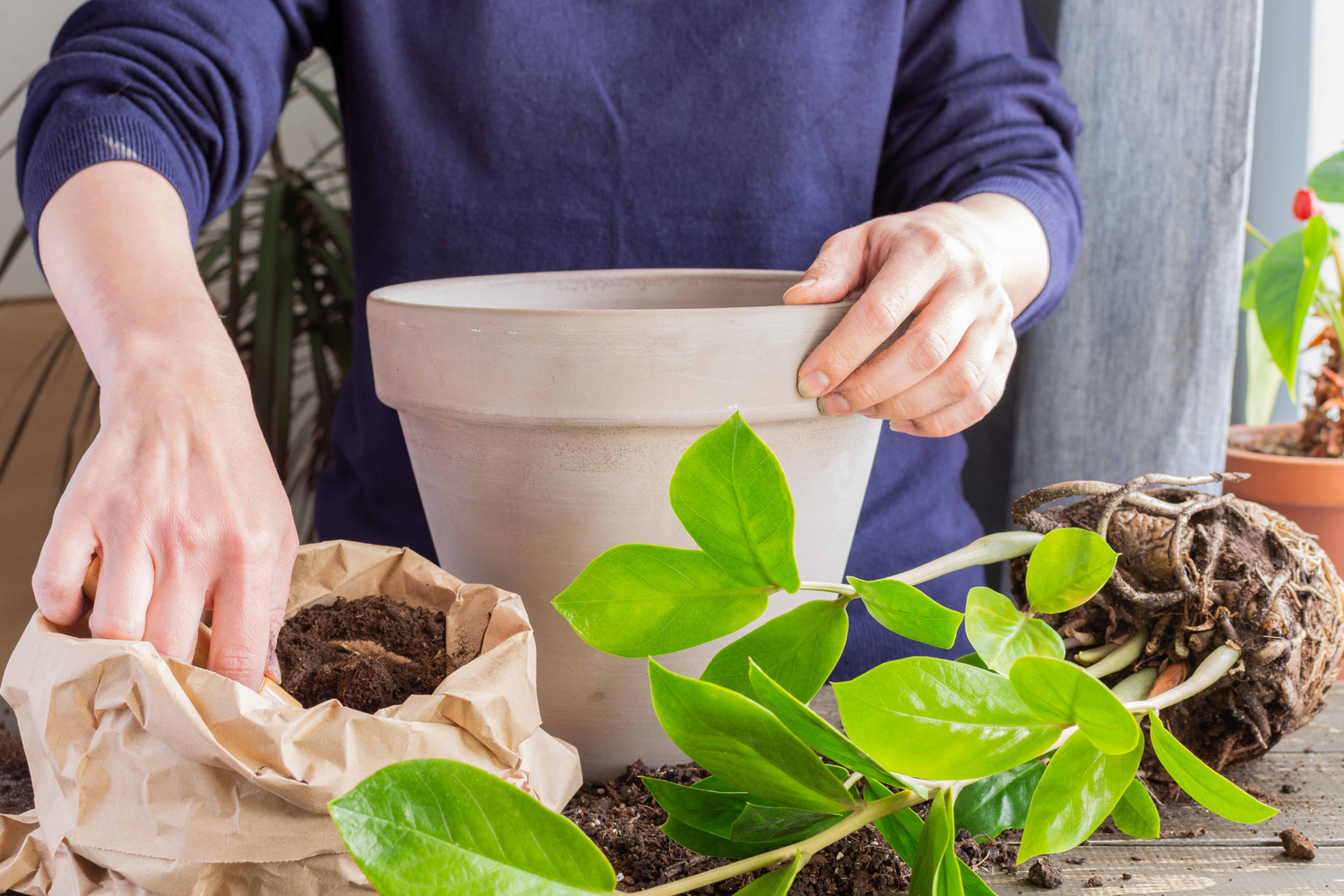
Last week, a friend brought me what he optimistically called her "rubber tree." I stared at what was essentially a brown stick punctuated by four droopy leaves clinging to life like survivors on a desert island. He wanted my help repotting this botanical tragedy, hoping fresh soil might resurrect its former glory.
The irony wasn't lost on me. During my San Diego years, I'd walk past massive outdoor rubber trees every morning—majestic giants with glossy canopies that seemed to laugh at the very concept of struggle. Those behemoths thrived effortlessly in Southern California's forgiving climate, their Ficus elastica DNA singing with contentment.
But here's the uncomfortable truth: climate matters exponentially more than we admit. Rubber plants don't actually suck—they're just wildly misunderstood when forced into indoor environments that contradict their evolutionary blueprint.
The disparity between San Diego's 80°F warmth and Idaho's frigid Idaho indoor conditions revealed everything. Those outdoor giants basked in consistent light and natural humidity, while my friend's stick-plant shivered in a corner, slowly starving for what it truly needed.
🌴 Why Rubber Plants Can Be Amazing (If You Know the Truth)
When rubber tree plant care actually works, these botanical specimens transform into architectural masterpieces. Their bold, paddle-shaped leaves create stunning vertical statements that complement modern interiors with sculptural precision.

The allure is undeniable. Interior designers consistently gravitate toward Ficus elastica varieties for their clean lines and sophisticated presence. A thriving rubber plant anchors minimalist spaces while adding organic warmth to sterile environments.
Here's what makes them genuinely spectacular: they're surprisingly resilient once properly acclimated. The key phrase being "once acclimated"—a crucial detail that big-box stores conveniently omit from their marketing materials.
- Glossy foliage that reflects light beautifully
- Impressive height potential for dramatic room impact
- Low maintenance requirements (when conditions align)
- Multiple cultivar options for varied aesthetic preferences
People continue purchasing them because magazines showcase these plants in aspirational living spaces. Yet many buyers discover their enthusiasm doesn't translate into successful cultivation. The disconnect occurs when Instagram-worthy expectations meet reality's environmental constraints.
Rubber plants suit patient plant parents with bright homes and design-focused sensibilities. They reward consistency over sporadic attention, making them ideal for methodical caretakers rather than impulsive plant collectors.
☀️ The Reality Check: What Rubber Trees Actually Need to Thrive
Light
Bright indirect light isn't a suggestion—it's absolutely non-negotiable for ficus elastica care. These plants evolved beneath forest canopies where dappled sunlight filtered through overhead branches, creating that sweet spot between shadow and brilliance.
Morning sun works beautifully. Harsh afternoon rays? Catastrophic. Those intense western exposures scorch leaves faster than you can say "photosynthesis," leaving behind crispy brown edges that scream neglect.
Low-light corners slowly assassinate rubber plants through prolonged light starvation. They'll linger for months, gradually shedding leaves in protest before finally surrendering to inevitable decline.
Temperature & Environment
Warm, stable temperatures between 65-85°F create the foundation for successful indoor rubber tree care. These tropical natives despise fluctuations that send them into shock-induced dormancy.
Drafts and cold floors present particular challenges in many homes. Heating vents create temperature volatility while frigid surfaces chill root systems through ceramic pots. Elevating plants on stands or plant risers prevents this common oversight.
Humidity expectations often clash with reality. While Ficus elastica appreciates moderate humidity, they adapt to average household conditions more gracefully than finicky tropical specimens.
Watering Schedule
Allow soil to partially dry between waterings—approximately 2-3 inches down. Soggy conditions trigger root rot faster than overenthusiastic plant parents can course-correct.
Overwatering symptoms include yellowing lower leaves and mushy stems. Underwatering manifests as crispy leaf edges and dramatic drooping. Seasonal adjustments matter tremendously during winter's growth slowdown.
Nutrients & Soil
Chunky, well-draining potting mixes prevent the waterlogged disasters that create those infamous "sad sticks." Aroid-style blends with bark chunks and perlite work exceptionally well for rubber plant growth problems prevention.
Fertilize monthly during active growing seasons using diluted liquid fertilizer. Heavy, dense soil suffocates roots and creates the perfect storm for decline.
🌱 Types of Rubber Trees + Special Care Notes
Not all rubber plants share identical temperaments. Understanding cultivar-specific quirks prevents those heartbreaking moments when your prized specimen transforms into expensive compost.

| Variety | Light Needs | Care Difficulty |
|---|---|---|
| Ficus elastica 'Burgundy' | Bright indirect | Beginner-friendly |
| 'Tineke' Variegated | High light | Intermediate |
| 'Ruby' Pink Rubber Plant | Very bright | Advanced |
- Ficus elastica 'Burgundy' offers the most forgiving introduction to rubber plant cultivation. Those dark, dramatic leaves mask minor imperfections while tolerating slight lighting inconsistencies better than their finicky cousins.
- Ficus tineke care demands significantly stronger illumination to maintain those stunning cream and green variegations. Insufficient light causes reversion to plain green foliage—beautiful, but not what you paid premium prices to acquire.
- The coveted 'Ruby' rubber plant showcases ethereal pink undertones that disappear without abundant bright light. These specimens represent the pinnacle of rubber plant cultivation, rewarding experienced growers with Instagram-worthy coloration.
- Ficus Audrey technically belongs to a different species but shares similar care requirements. Its softer appearance and lighter green coloration create gentler aesthetic impact while requiring slightly more frequent watering than traditional rubber plants.
In northern climates like ours, variegated varieties struggle most dramatically. The reduced chlorophyll content makes them particularly vulnerable to our shorter daylight periods and lower light intensity during winter months.
📜 A Little History — From Tropical Forests to Living Rooms
Understanding Ficus elastica origins illuminates why these plants behave so dramatically in our contemporary homes. Native to the humid forests of Southeast Asia, these botanical giants once towered above village canopies, their massive trunks supporting sprawling ecosystems.
During the 19th century, rubber plantations cultivated these trees for latex production—that milky white sap that oozes from broken stems still carries industrial significance. European plant explorers recognized their ornamental potential and began importing specimens for wealthy collectors.
Victorian homes proved ideal environments for rubber tree cultivation. Those grand residences featured soaring ceilings, expansive windows, and consistent heating systems that mimicked tropical conditions surprisingly well.
The disconnect emerged as modern architecture evolved toward energy efficiency. Lower ceilings, smaller windows, and fluctuating temperatures created environmental challenges that confound even experienced plant enthusiasts attempting successful rubber plant indoor care.
Those historic specimens thrived because their environments acknowledged their tropical heritage rather than forcing adaptation to incompatible conditions.
🪴 Introducing a Rubber Tree Into Your Home (Without Shock)

Acclimation prevents those devastating leaf-drop episodes that make new plant parents question their life choices. Resist the urge to immediately repot your new acquisition—traumatized roots need stability, not additional upheaval.
Strategic placement makes or breaks early success. Position your rubber plant near bright windows but away from heating vents that create temperature volatility. Elevate pots off cold floors using decorative plant stands or wooden risers.
Gradual light transitions prevent shock-induced leaf dropping. If your chosen spot receives significantly different illumination than the nursery environment, introduce changes incrementally over several weeks.
Expect some initial leaf loss regardless of your precautions. This natural response to environmental change doesn't indicate failure—it demonstrates your plant's adaptive mechanisms engaging with new conditions.
🎨 Styling Rubber Plants the Jungle Relics Way

Pot Choices
Vessel selection dramatically impacts both plant health and aesthetic cohesion. Matte ceramic containers in neutral tones complement rubber plants without competing for visual attention. Textured stoneware adds organic warmth while maintaining sophisticated restraint.
Avoid diminutive pots that create top-heavy proportions. These architectural specimens require substantial visual grounding—their bold foliage demands containers with corresponding presence and stability.
Design Pairings
Strategic companion plantings create layered botanical compositions that feel intentionally curated rather than randomly assembled.
- Philodendrons provide textural contrast with their heart-shaped softness
- Monsteras contribute fenestrated drama for canopy-like layering
- Snake plants offer vertical counterpoint with spear-like rigidity
- Pothos trails create cascading elements that soften harsh edges
Visual Placement
Entryways with adequate height showcase rubber trees as living sculptures that welcome guests with natural elegance. Minimalist corners benefit from their structural presence without overwhelming sparse aesthetics.
Position specimens adjacent to art pieces for sophisticated gallery-like vignettes. The interplay between botanical and artistic elements creates visual conversations that reflect discerning taste and curatorial sensibility.
⚠️ Why Rubber Plants Fail So Often (And It's Not Your Fault)
Marketing departments perpetuate the "easy houseplant" myth while conveniently omitting climate sensitivity details. This misleading categorization sets unrealistic expectations that lead to inevitable disappointment.
Big-box retailers often stock poorly acclimated specimens that haven't adjusted to indoor conditions. These plants arrive pre-stressed, making successful home cultivation exponentially more challenging for unsuspecting buyers.
Sudden lighting changes trigger defensive responses that manifest as dramatic leaf dropping episodes. Moving from greenhouse conditions to dim living rooms creates environmental whiplash that even healthy specimens struggle to survive.
Guilt watering—that compulsive urge to "help" struggling plants with extra moisture—accelerates decline through root rot. Good intentions often compound existing problems rather than providing solutions.
💡 Pro Tips From Repotting Too Many Sad Rubber Plants
When faced with that infamous "long stick with four leaves" scenario, strategic pruning encourages branching and fuller growth patterns. Cut just above leaf nodes during active growing season to stimulate lateral bud development.

Encouraging branching requires patience and proper technique. Pinch growing tips when plants reach desired height, redirecting energy into side shoots that create bushier silhouettes rather than single-trunk specimens.
Skip the moss poles—rubber plants prefer maintaining their tree-like architecture rather than climbing support structures. Their natural growth habit creates more striking visual impact when allowed to develop organically.
Regular leaf cleaning with damp cloths removes dust accumulation that blocks photosynthesis. This simple maintenance task dramatically improves both plant health and aesthetic appeal while preventing pest establishment.
Root-bound specimens often masquerade as "difficult" plants when they simply need larger containers. Check drainage holes for emerging roots—a clear indicator that repotting time has arrived.
🌿 Final Thoughts — Rubber Plants Don't Suck… But They're Honest
Rubber plants function as environmental truth-tellers, revealing exactly what your home's conditions offer. Their responses—whether thriving growth or dramatic decline—provide honest feedback about light levels, temperature stability, and care consistency.
These specimens reward methodical attention more than sporadic intensive efforts. Consistent conditions triumph over guilt-driven interventions every single time. They appreciate routine rather than emotional caregiving approaches.
Not every plant suits every home environment—acknowledging this reality prevents both plant casualties and personal frustration. Sometimes the most loving choice involves selecting species that actually match your space's capabilities rather than forcing incompatible relationships.
Success with ficus elastica care requires honest assessment of your home's conditions and commitment to providing what these plants actually need, not what we wish they needed. When those requirements align with reality, rubber plants transform from frustrating disappointments into stunning architectural elements that justify their popularity.
At Jungle Relics, we've witnessed countless plant parent transformations—from defeated stick-plant owners to confident rubber tree cultivators. The difference lies in understanding rather than hoping, knowledge rather than wishful thinking.
Rubber Plant Care — Key Takeaways From Jungle Relics
Rubber plants (Ficus elastica) are often misunderstood indoor houseplants. While commonly labeled as “easy,” they perform best in bright, warm environments that mimic their tropical origins. Many indoor struggles come from environmental mismatch rather than poor plant care.

At Jungle Relics, we regularly see rubber plants arrive as tall, leafless stems — what we jokingly call “the sad stick.” In most cases, the issue isn’t neglect. It’s lighting, temperature stability, or inconsistent watering patterns that conflict with how these trees naturally grow outdoors.
Here’s what experienced growers should know:
- Rubber plants need bright indirect light to maintain full foliage and strong growth.
- Stable indoor temperatures between 65–85°F help prevent shock and leaf drop.
- Overwatering causes more problems than underwatering.
- Variegated varieties like Tineke and Ruby require stronger light than darker cultivars.
- Cold climates and darker homes often slow growth compared to coastal or tropical environments.
Rubber plants reward consistency more than constant intervention. When their environmental needs are met, they become sculptural, architectural houseplants that elevate modern interiors with minimal ongoing maintenance.
This guide combines real-world plant shop experience with practical indoor growing strategies to help you understand why rubber plants sometimes struggle — and how to help them thrive instead of becoming another sad stick.
🌿 Rubber Plant Care FAQs
Why does my rubber plant look like a tall stick with only a few leaves?
A rubber plant becomes tall and bare when it receives insufficient bright indirect light, inconsistent watering, or cold indoor temperatures. Ficus elastica naturally sheds lower leaves when stressed, especially in darker northern homes. Increasing light exposure, pruning above leaf nodes, and maintaining stable warmth can encourage fuller branching growth.
Are rubber plants beginner friendly houseplants?
Rubber plants are often marketed as beginner plants, but they perform best for growers who can provide consistent light and temperature. They are resilient once acclimated, yet sensitive to sudden environmental changes like drafts, low light, or overwatering.
What kind of light does a rubber plant need indoors?
Rubber plants require bright indirect light to maintain strong growth and healthy leaves. East-facing windows or bright south-facing rooms work well. Low light leads to leaf drop and slow growth, while harsh afternoon sun can scorch variegated cultivars such as Ficus tineke or Ruby rubber plants.
How often should I water a ficus elastica?
Water a rubber plant when the top few inches of soil feel dry. Most indoor plants need watering every one to two weeks depending on temperature, humidity, and pot size. Overwatering is the most common cause of decline, leading to yellow leaves and root rot.
Why do rubber plant leaves fall off after moving it home?
Rubber plants frequently drop leaves due to acclimation stress. Changes in light levels, temperature, and humidity trigger a natural adjustment phase. Avoid repotting immediately and give the plant several weeks to stabilize in its new environment.
Which rubber plant variety is easiest to care for?
Ficus elastica Burgundy is generally the most adaptable indoor rubber plant. Variegated varieties like Tineke or Ruby require stronger light and more stable conditions, making them slightly more advanced for colder or darker climates.
Where should a rubber plant be placed in a home?
Place rubber plants near bright windows with stable warmth and minimal drafts. Elevated positions on plant stands help prevent cold root systems, especially in cooler climates. Architectural placement in entryways or minimalist corners highlights their sculptural growth habit.
Do rubber plants need high humidity?
Rubber plants prefer moderate humidity but adapt well to average household environments. Unlike many tropical houseplants, they typically do not require humidifiers unless indoor air becomes extremely dry during winter heating seasons.
Why do rubber plants grow huge outdoors but struggle indoors?
Outdoor rubber trees thrive in warm, humid climates with consistent light and stable temperatures, similar to their native Southeast Asian forests. Indoor environments in colder regions often lack sufficient light intensity and warmth, which slows growth and causes leaf loss.
How do you make a rubber plant grow bushier instead of tall?
Pruning above leaf nodes during active growing seasons encourages branching. Providing strong light, balanced nutrients, and stable watering also helps redirect energy into lateral growth rather than a single tall stem.
🌿 Rubber Plant Care Summary
Rubber plants (Ficus elastica) thrive indoors when given bright indirect light, stable warmth, and consistent watering habits. Many indoor rubber plant problems — including leaf drop, slow growth, and tall bare stems — are caused by low light levels, cold temperatures, or overwatering rather than plant difficulty.
Indoor rubber trees grow best near bright windows in environments between 65–85°F. Allowing soil to partially dry between waterings helps prevent root rot, one of the most common causes of decline. Variegated rubber plants such as Tineke and Ruby require stronger light than darker cultivars like Burgundy.
Rubber plants are native to tropical regions of Southeast Asia, where humidity, warmth, and filtered sunlight support large tree-like growth. When grown in colder climates or darker homes, growth slows significantly and plants may lose lower leaves as they adapt.
Successful indoor rubber plant care focuses on environmental consistency rather than frequent intervention. Proper placement, balanced soil drainage, and gradual acclimation after purchase help prevent the “sad stick” appearance many owners experience.
This guidance reflects hands-on experience from Jungle Relics, where real-world plant care observations inform practical indoor growing strategies for modern homes.