



Monstera Adansonii Neon Rare Plant (Monstera adansonii ‘Neon’)
- Regular price
-
$65.00 - Regular price
-
- Sale price
-
$65.00
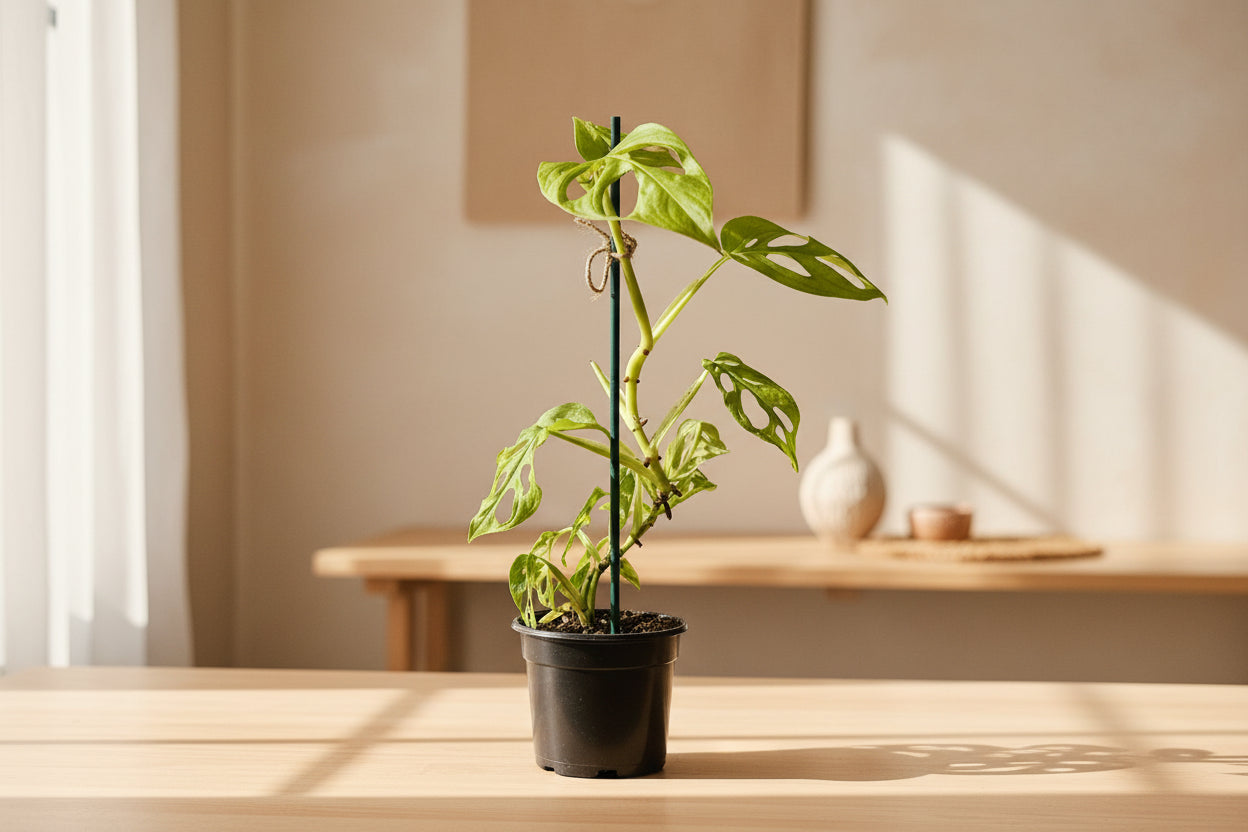
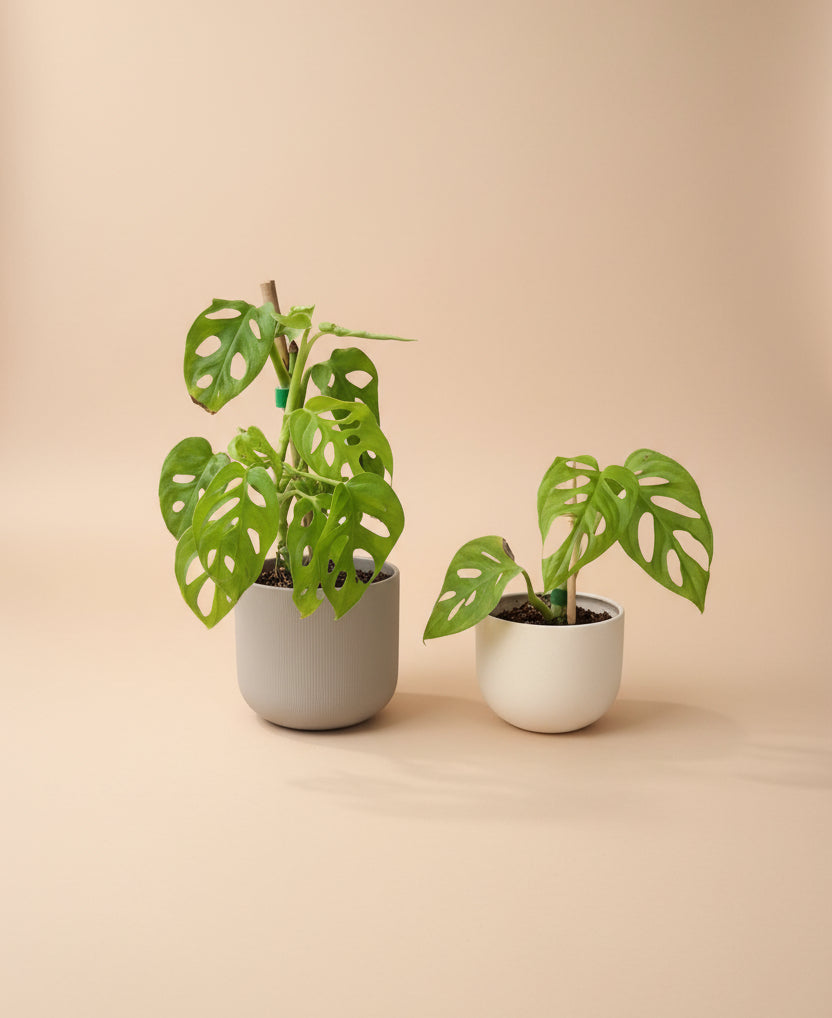
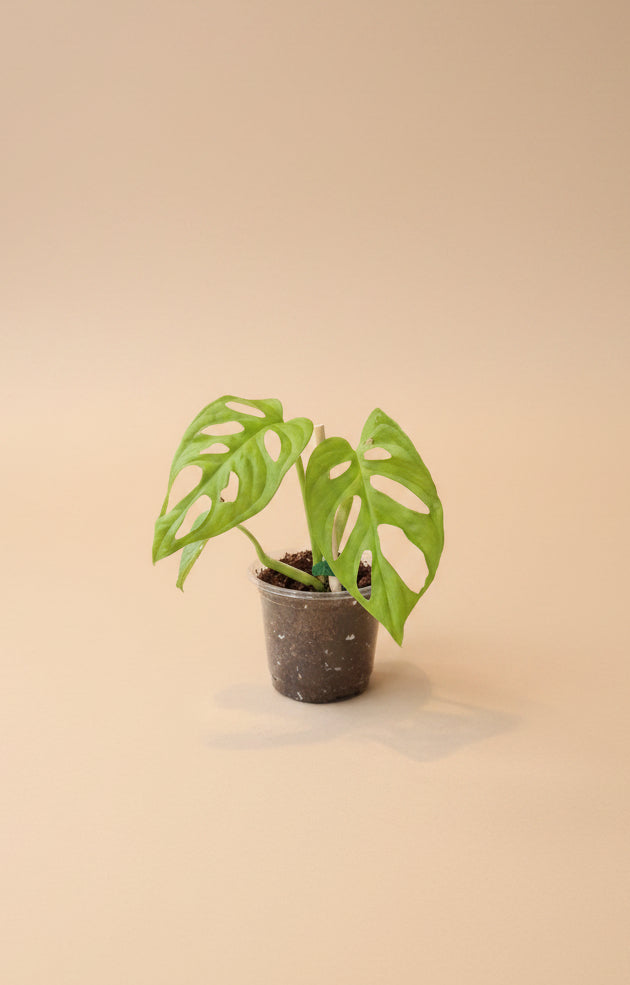
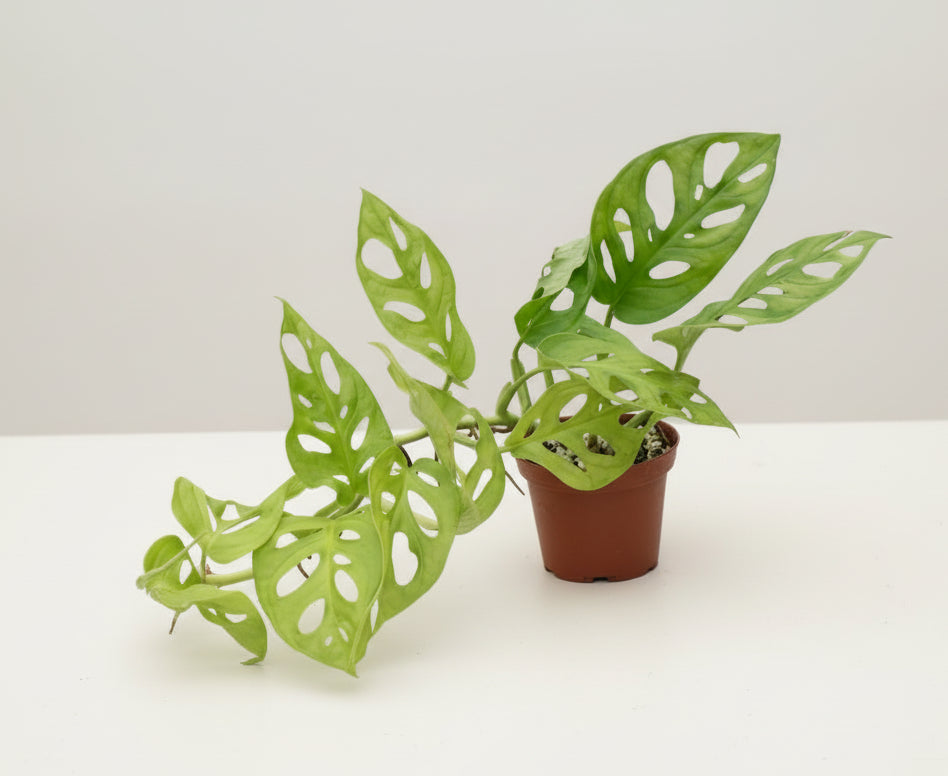
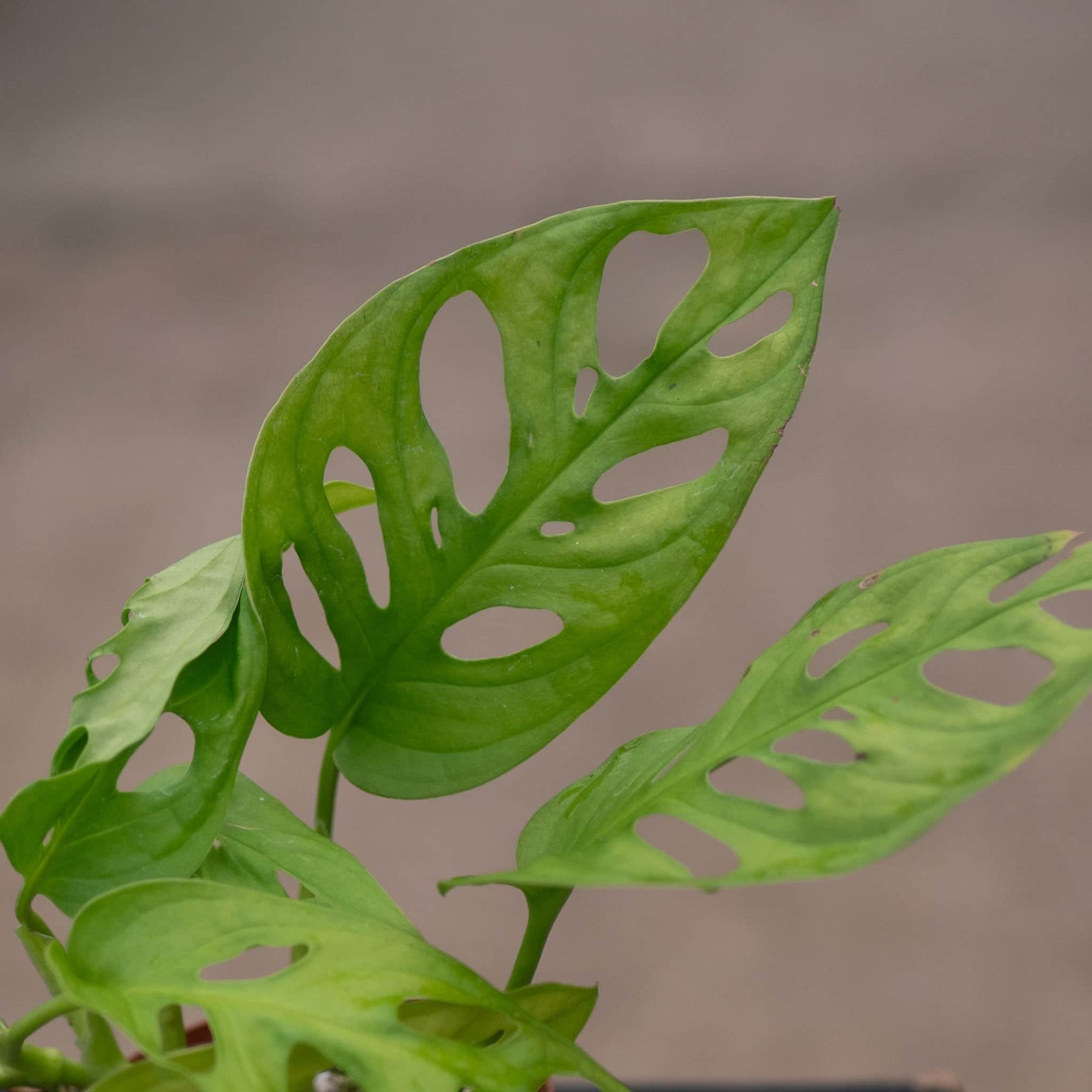
The Monstera Adansonii ‘Neon’ is a luminous twist on a beloved classic, prized for its vibrant chartreuse foliage and signature Swiss-cheese fenestrations. Each leaf glows with electric lime and fresh apple-green tones, giving this plant an almost illuminated presence that instantly brightens shelves, walls, and hanging displays. As it trails or climbs, the foliage matures with larger, more dramatic holes, creating an airy, sculptural look that feels playful, modern, and alive.
Whether cascading from a hanging planter or trained upward on a moss pole, Neon Adansonii brings bold energy without being fussy. Its vivid coloring holds best in bright, indirect light, rewarding growers with fast growth and a consistently eye-catching palette. Easygoing yet unforgettable, this plant is perfect for both new plant parents and seasoned collectors looking for a pop of living color.
Why You’ll Love It 💚
- ✨ Neon Foliage: Bright chartreuse leaves that glow in natural light
- 🕊️ Classic Fenestrations: Iconic Swiss-cheese holes for an airy, artistic feel
- 🌱 Fast & Flexible Growth: Trails beautifully or climbs with support
- 🌿 Statement Green: A modern favorite that instantly livens up any space

Why It’s Rare 🪴
Unlike standard green adansonii, the ‘Neon’ cultivar is selected for its consistently bright, lime-toned foliage, offering a bold look without the fragility of variegation. Its color is more stable and forgiving, making it a standout that’s easier to grow while still feeling unique and collector-worthy.

Plant Care FAQs 🪴
- Plant Family: Araceae
- Plant Vibe: Awesome Neon
- Plant Vibe: Neon Swiss Cheese Vine
- Plant Type: Climbing or trailing aroid
- Plant Vibe: Artistic, airy, highly collectible
- Light Requirements: Bright, indirect light to maintain variegation
- Watering: Keep soil lightly moist; allow the top layer to dry between waterings
- Humidity: Moderate to high humidity preferred
- Soil Type: Chunky aroid mix with bark and perlite
- Fertilizer: Feed monthly in spring and summer
- Mature Size: Vines can grow several feet with support
- Toxicity: Toxic to pets if ingested
🏆 Pro Plant Care Tip
Bright indirect light keeps the foliage vibrant—too little light may cause the leaves to deepen back toward green.
✨ Styling Tip
Pair with white or matte black planters to let the neon foliage truly pop or hang it near a window for a glowing waterfall effect.
🍵 Tea Pairing
Enjoy with a crisp lemongrass green tea, mirroring the plant’s fresh citrusy color and uplifting energy.
⚠️ Please note: The plant you receive may not be the exact one pictured, but it will be of the same type and size. Each plant is unique! Expect natural variation in color, variegation, leaf shape, and size. Cosmetic blemishes are normal and do not impact plant health.
🚫 We do not accept returns or exchanges. Please review our shop policies before purchasing.
✅ Our Guarantee: We guarantee live arrival and pack every order with care. Reach out anytime with questions—we’re happy to help!
Couldn't load pickup availability


Plant Care FAQs
7 Amazing Benefits of Houseplants
Boost Aesthetics:
Houseplants bring life and beauty to any space, softening harsh lines and adding natural elegance to your home or office. They even help screen views, fill empty spaces, and reduce noise, transforming your environment.
Purify the Air:
According to NASA, houseplants clean the air by removing toxins like carbon monoxide and formaldehyde, making your indoor spaces fresher and healthier. They also increase humidity, reducing dry skin and respiratory issues, especially during winter.
Enhance Mood & Productivity:
Plants aren't just beautiful—they make you feel good! Studies show that plants reduce stress, improve happiness, and boost concentration and memory by up to 20%. They’re also known to increase productivity and creativity in workspaces.
Therapeutic & Healing:
Caring for plants is therapeutic. Houseplants have been shown to reduce anxiety, depression, and even speed up recovery from illness or surgery, making them a great addition to your living space or even hospital rooms.
Increase Focus & Attention:
Live plants enhance focus and attention. Whether you're studying or working, having plants nearby helps you stay alert and concentrated, making them perfect companions for study areas and offices.
Job Satisfaction:
Adding plants to your office can lead to greater job satisfaction and a positive outlook. Research shows that employees working around greenery feel happier, more productive, and more connected to their workplace.
Improve Air Quality:
Plants are natural air purifiers, reducing harmful pollutants and refreshing the air. Species like spider plants, bamboo palms, and rubber trees help cleanse your indoor air, making your home healthier.
Watering
Houseplants have varying water needs depending on their growth and seasonal changes, so it's best to water as needed rather than on a schedule. Generally, water when the top 1/2 to 1 inch of soil is dry. Cacti need less water, while flowering plants may need more. Avoid overwatering, as it's a common cause of plant death. Water carefully to prevent leaf disease.
Fertilizing
Fertilizing houseplants depends on their growth rate, age, and season. Spring and summer are ideal for fertilizing as plants grow more, while little to no fertilizer is needed in fall and winter. Avoid overfertilizing, as it can burn roots. For flowering plants, use a balanced fertilizer and ensure it includes micronutrients to prevent deficiencies.
Plant General Care
Cleaning: Most houseplants benefit from regular cleaning to look their best. Dust tends to accumulate on leaves, so rinse them gently with room-temperature water. For plants with hairy leaves, use a soft brush to avoid trapping moisture. Smooth-leaved plants can be wiped with a soft cloth. This not only enhances their appearance but also helps them absorb more light.
Pruning: You can prune houseplants year-round, but fall is a great time to trim them after a summer of growth. Pruning helps improve their appearance and control size. Cutting back overgrown plants to 4-6 inches encourages rejuvenation, especially for trailing plants like Swedish ivy and pothos. Make cuts just above buds or side shoots to promote new growth, and remove any dead or diseased leaves to prevent spreading.
Pinching, which involves removing stem tips, encourages fuller, more compact growth. Simply pinch or cut the top leaves to stimulate side bud growth. Fast-growing plants benefit from regular pinching to maintain their shape.
Repotting: Check the roots—if they're circling the inside of the pot, it's likely time to repot. You can transplant into a slightly larger container or, if you prefer to keep the same pot, trim some of the roots and refresh the soil. Repotting is also a great time to divide plants with multiple stems to create new ones. Spring and summer are ideal for repotting.
Insects & Disease
Insects:
Several insects can attack houseplants, but insecticidal soap is an easy and effective treatment for most soft-bodied pests like aphids and spider mites. A strong spray of water can also help reduce their numbers. For insects with waxy coatings, such as scale and mealybugs, rubbing alcohol applied with a cotton ball works well.
Consistency is key—fast-reproducing pests like aphids and spider mites may need weekly treatments for about a month to fully eliminate them.
Fungus gnats, often mistaken for fruit flies, are common when plants are overwatered. Let the soil dry between waterings and remove any dead leaves from the soil surface. In severe cases, repotting the plant in fresh soil and a clean container may be necessary.
Plant Disease
To prevent the spread of plant diseases, promptly remove and destroy affected houseplants, leaves, or stems as soon as symptoms appear. Controlling insect populations can also help, as some diseases spread via pests. Common houseplant diseases and their treatments include:
- Powdery Mildew: Appears as powdery white spots on leaves.
- Fungal Leaf Spots: Yellow, brown, or black spots on leaves.
- Root Rot: Mushy, dark-colored roots, usually caused by overwatering.