



Bonsai Spider Plants in Decorative Pots
- Regular price
-
$24.00 - Regular price
-
- Sale price
-
$24.00
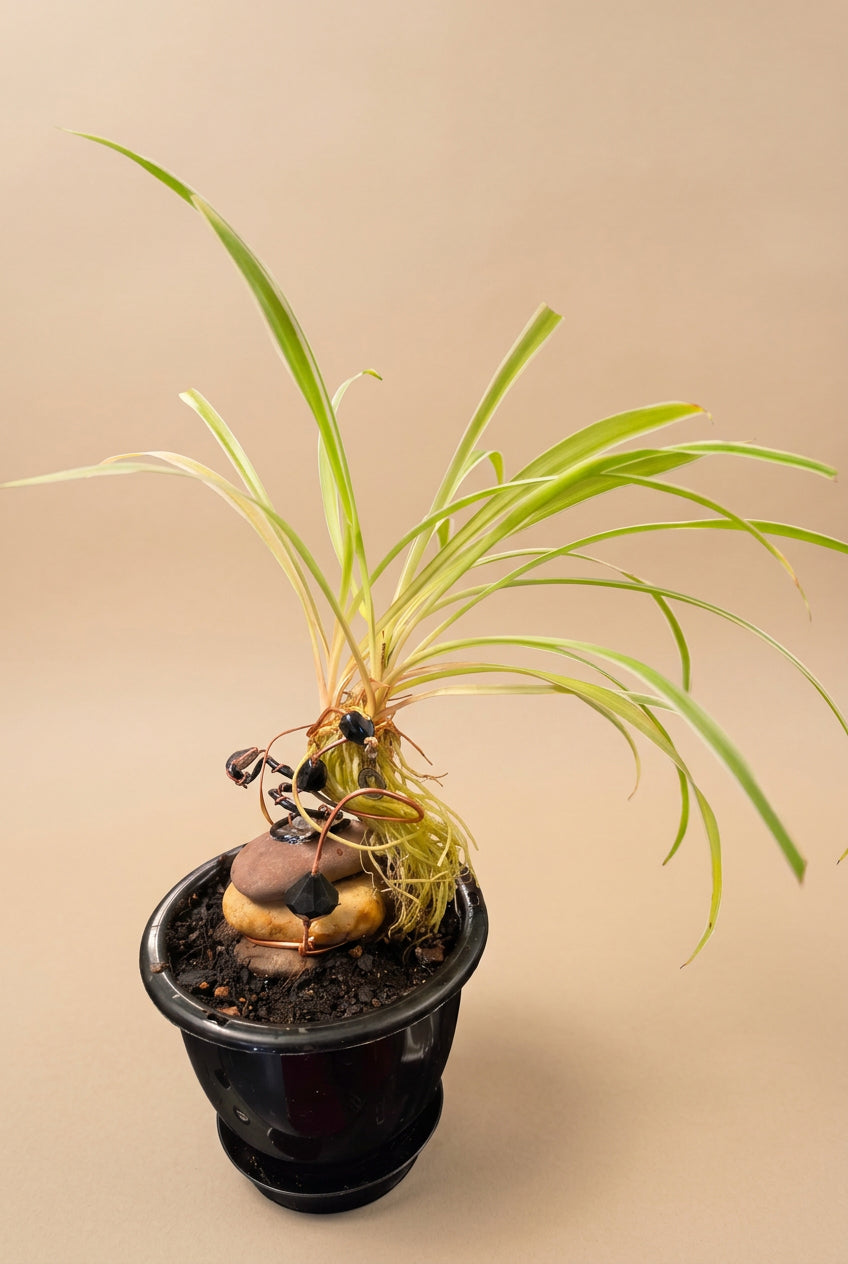
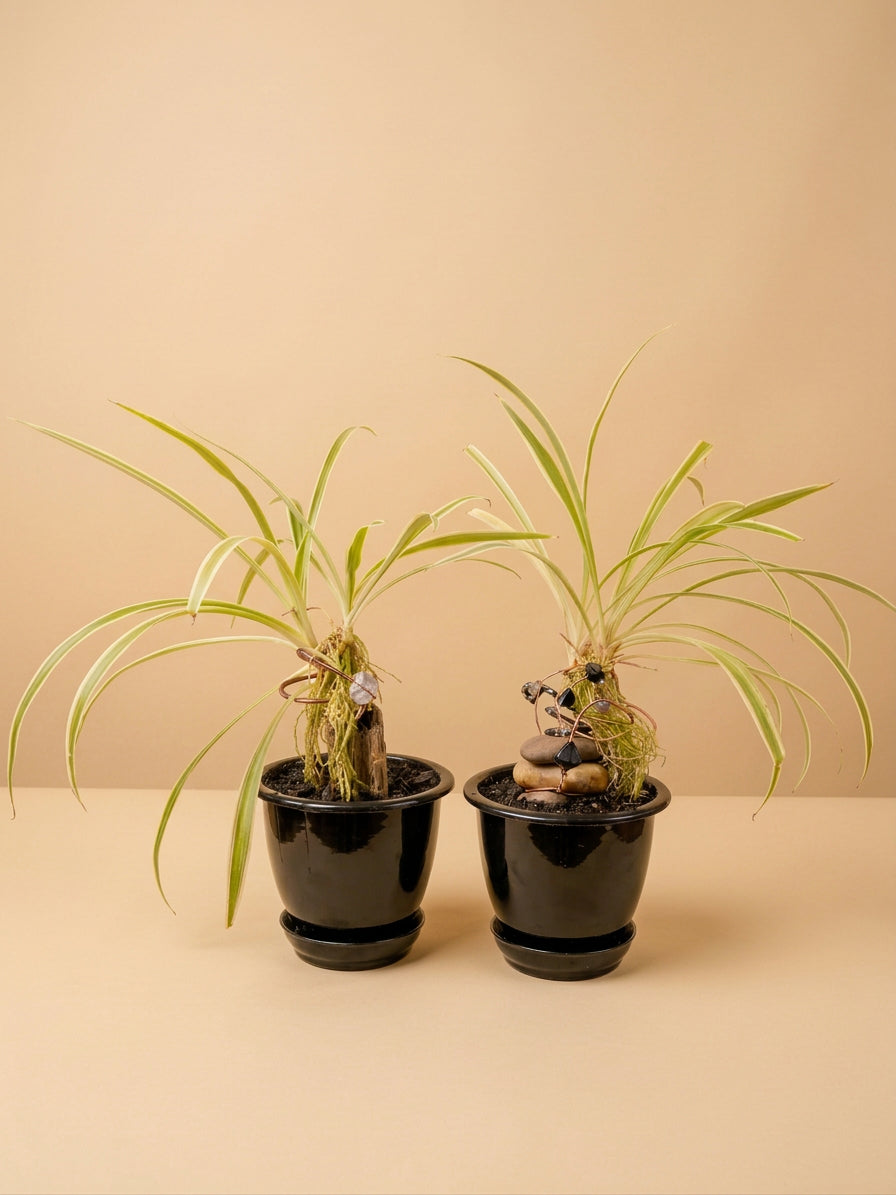
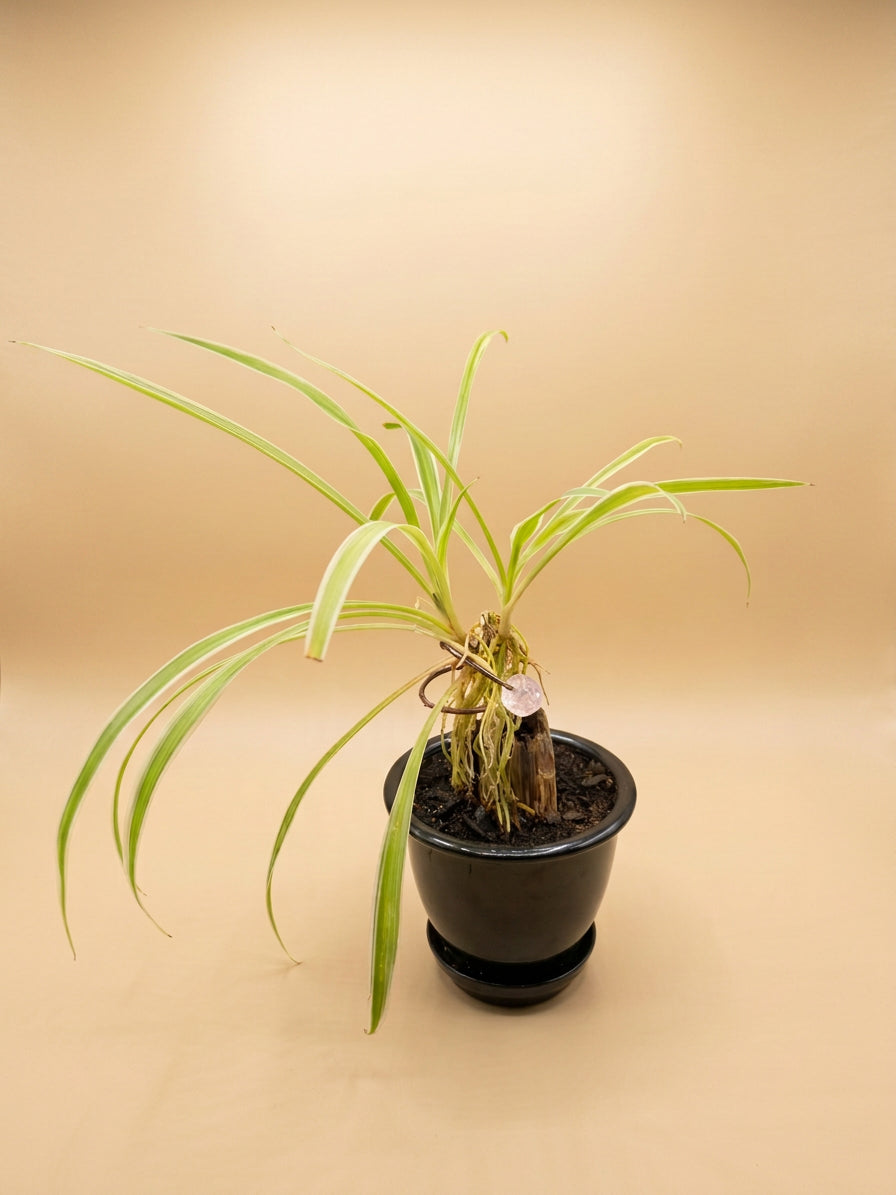
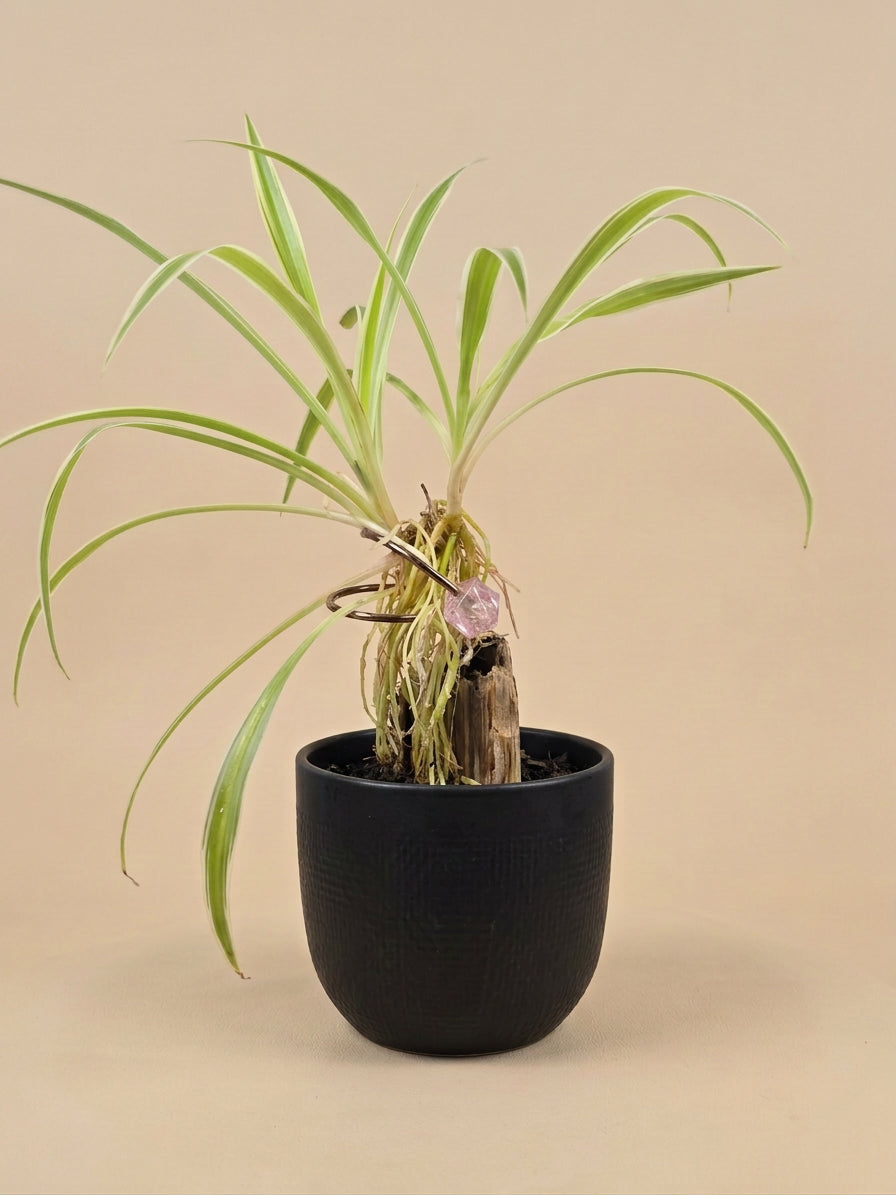
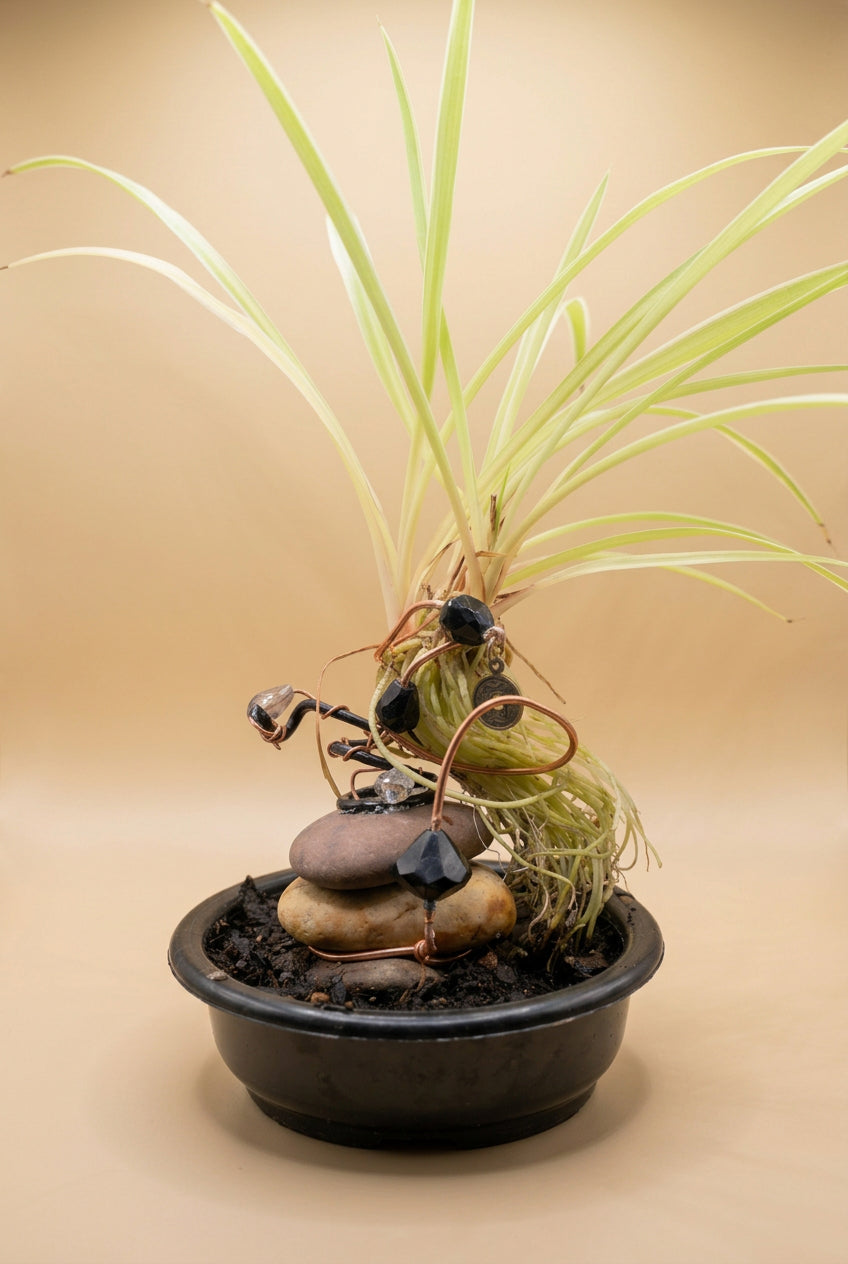
The Bonsai Spider Plant (Chlorophytum comosum) is a whimsical twist on a beloved classic houseplant. Featuring gracefully arching green-and-white striped foliage, sculptural exposed roots, and decorative natural elements, these miniature botanical creations are inspired by the timeless art of bonsai. Each plant is individually styled in a decorative plastic pot and unique display, blending living greenery with artistic expression to create a one-of-a-kind botanical treasure.

Why Bonsai Spider Plants Are Unique:
- Living Botanical Art: Artistically arranged with exposed roots, natural wood, stones, and decorative accents.
- Bonsai-Inspired Design: A creative interpretation of traditional bonsai, showcasing the natural beauty of the plant's roots and foliage.
- One-of-a-Kind: Each arrangement features its own unique combination of natural materials and plant formations.
- Easy to Grow: Enjoy the artistic elegance of bonsai with the forgiving nature of a spider plant.
Why You’ll Love It: 💚
-
Graceful Variegated Foliage: Elegant, cascading green-and-white striped leaves.
-
Pet-Friendly: A wonderful choice for households with cats and dogs, though decorative accents should be kept out of their reach.
-
Unique Botanical Gift: A beautiful living gift for plant lovers, art enthusiasts, and nature lovers.
-
Decorative Pot Included: Arrives styled and ready to display.
Plant Care FAQs:
-
Plant Type: Chill Plant
Plant Vibe: Zen Spider
Botanical Name: Chlorophytum comosum
Common Name: Bonsai Spider Plant - Light Requirements: Bright, indirect light. Tolerates moderate light but avoid harsh direct sunlight.
- Watering: Water when the top inch of soil feels dry. Avoid overwatering or allowing the pot to sit in standing water.
- Humidity: Average household humidity; appreciates moderate humidity around exposed roots.
- Soil Type: Well-draining indoor potting mix.
- Fertilizer: Diluted balanced liquid fertilizer monthly during spring and summer.
- Growth Habit: Gracefully arching foliage that may eventually produce miniature spider plant babies.
- Toxicity: Non-toxic to cats and dogs.
✨ Pro Care Tip:
Keep the exposed roots from becoming excessively dry while maintaining good drainage. Use filtered or distilled water to help prevent brown leaf tips, as spider plants can be sensitive to minerals in tap water.
🌱 Plant Styling Tips: Display your Bonsai Spider Plant on a bookshelf, meditation altar, desk, or windowsill. Pair with crystals, natural stones, and other miniature botanical treasures to create a peaceful, nature-inspired retreat.
🍵 Tea Pairing: Pair the tranquil beauty of your Bonsai Spider Plant with a cup of Japanese sencha green tea. Its fresh, grassy notes complement the plant’s graceful foliage and Zen-inspired aesthetic.
⚠️ Please note: Each Bonsai Spider Plant is a unique living art piece. Natural materials, decorative accents, root formations, and foliage may vary from the images shown.
🚫 We do not accept returns or exchanges. Please review our shop policies before purchasing.
✅ We guarantee live arrival and take pride in securely packing every order. Reach out anytime with questions—we’re happy to help!
Couldn't load pickup availability
-
Hurry, only 1 item left in stock!

Plant Care FAQs
7 Amazing Benefits of Houseplants
Boost Aesthetics:
Houseplants bring life and beauty to any space, softening harsh lines and adding natural elegance to your home or office. They even help screen views, fill empty spaces, and reduce noise, transforming your environment.
Purify the Air:
According to NASA, houseplants clean the air by removing toxins like carbon monoxide and formaldehyde, making your indoor spaces fresher and healthier. They also increase humidity, reducing dry skin and respiratory issues, especially during winter.
Enhance Mood & Productivity:
Plants aren't just beautiful—they make you feel good! Studies show that plants reduce stress, improve happiness, and boost concentration and memory by up to 20%. They’re also known to increase productivity and creativity in workspaces.
Therapeutic & Healing:
Caring for plants is therapeutic. Houseplants have been shown to reduce anxiety, depression, and even speed up recovery from illness or surgery, making them a great addition to your living space or even hospital rooms.
Increase Focus & Attention:
Live plants enhance focus and attention. Whether you're studying or working, having plants nearby helps you stay alert and concentrated, making them perfect companions for study areas and offices.
Job Satisfaction:
Adding plants to your office can lead to greater job satisfaction and a positive outlook. Research shows that employees working around greenery feel happier, more productive, and more connected to their workplace.
Improve Air Quality:
Plants are natural air purifiers, reducing harmful pollutants and refreshing the air. Species like spider plants, bamboo palms, and rubber trees help cleanse your indoor air, making your home healthier.
Watering
Houseplants have varying water needs depending on their growth and seasonal changes, so it's best to water as needed rather than on a schedule. Generally, water when the top 1/2 to 1 inch of soil is dry. Cacti need less water, while flowering plants may need more. Avoid overwatering, as it's a common cause of plant death. Water carefully to prevent leaf disease.
Fertilizing
Fertilizing houseplants depends on their growth rate, age, and season. Spring and summer are ideal for fertilizing as plants grow more, while little to no fertilizer is needed in fall and winter. Avoid overfertilizing, as it can burn roots. For flowering plants, use a balanced fertilizer and ensure it includes micronutrients to prevent deficiencies.
Plant General Care
Cleaning: Most houseplants benefit from regular cleaning to look their best. Dust tends to accumulate on leaves, so rinse them gently with room-temperature water. For plants with hairy leaves, use a soft brush to avoid trapping moisture. Smooth-leaved plants can be wiped with a soft cloth. This not only enhances their appearance but also helps them absorb more light.
Pruning: You can prune houseplants year-round, but fall is a great time to trim them after a summer of growth. Pruning helps improve their appearance and control size. Cutting back overgrown plants to 4-6 inches encourages rejuvenation, especially for trailing plants like Swedish ivy and pothos. Make cuts just above buds or side shoots to promote new growth, and remove any dead or diseased leaves to prevent spreading.
Pinching, which involves removing stem tips, encourages fuller, more compact growth. Simply pinch or cut the top leaves to stimulate side bud growth. Fast-growing plants benefit from regular pinching to maintain their shape.
Repotting: Check the roots—if they're circling the inside of the pot, it's likely time to repot. You can transplant into a slightly larger container or, if you prefer to keep the same pot, trim some of the roots and refresh the soil. Repotting is also a great time to divide plants with multiple stems to create new ones. Spring and summer are ideal for repotting.
Insects & Disease
Insects:
Several insects can attack houseplants, but insecticidal soap is an easy and effective treatment for most soft-bodied pests like aphids and spider mites. A strong spray of water can also help reduce their numbers. For insects with waxy coatings, such as scale and mealybugs, rubbing alcohol applied with a cotton ball works well.
Consistency is key—fast-reproducing pests like aphids and spider mites may need weekly treatments for about a month to fully eliminate them.
Fungus gnats, often mistaken for fruit flies, are common when plants are overwatered. Let the soil dry between waterings and remove any dead leaves from the soil surface. In severe cases, repotting the plant in fresh soil and a clean container may be necessary.
Plant Disease
To prevent the spread of plant diseases, promptly remove and destroy affected houseplants, leaves, or stems as soon as symptoms appear. Controlling insect populations can also help, as some diseases spread via pests. Common houseplant diseases and their treatments include:
- Powdery Mildew: Appears as powdery white spots on leaves.
- Fungal Leaf Spots: Yellow, brown, or black spots on leaves.
- Root Rot: Mushy, dark-colored roots, usually caused by overwatering.