



Elephant Staghorn Fern 3" Plant (Platycerium elephantotis)
- Regular price
-
$25.00 - Regular price
-
- Sale price
-
$25.00
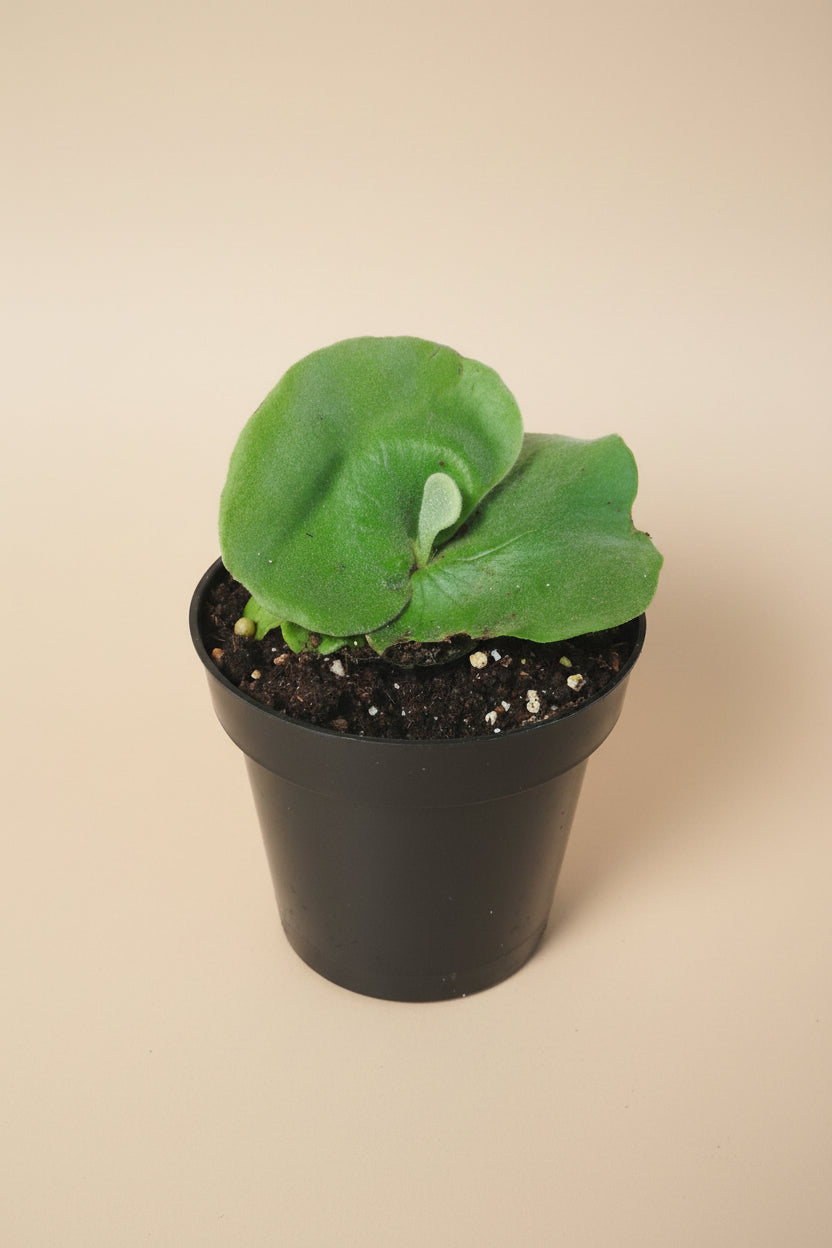
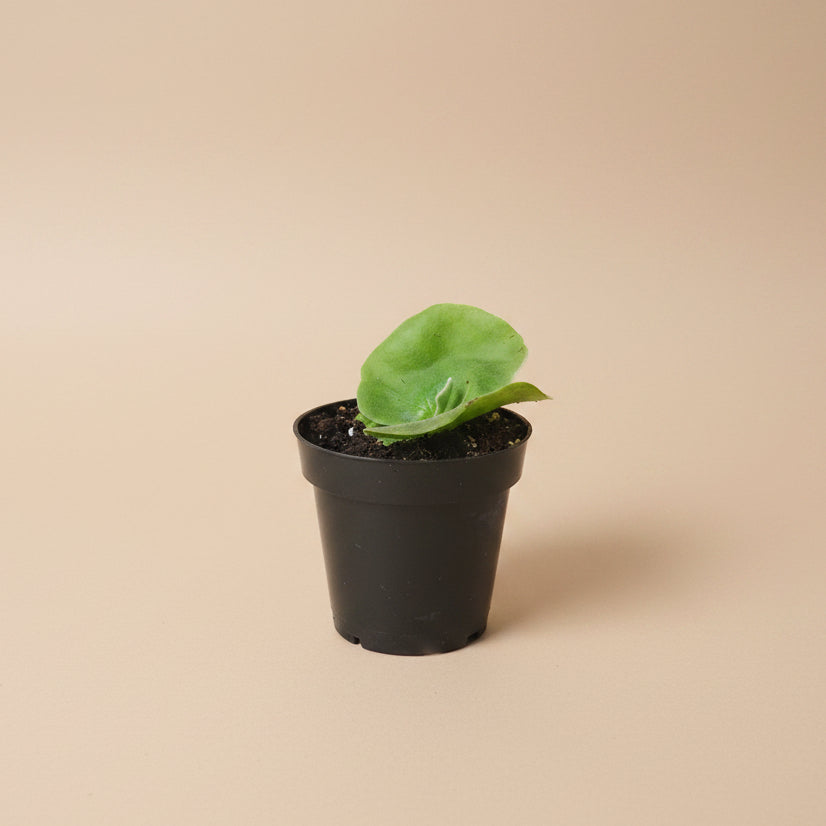
Bold, sculptural, and undeniably wild, Elephant Staghorn Fern (Platycerium elephantotis) is a statement plant that feels like living art. Known for its dramatically large, rippled fronds that resemble elephant ears, this rare staghorn brings a lush, prehistoric energy into any space.
Its broad, shield-like base fronds anchor the plant while the oversized, velvety green antler fronds unfurl with organic movement and texture. Unlike traditional houseplants, this epiphytic beauty grows mounted or in baskets—making it perfect for vertical displays that transform your walls into a living jungle.
Striking, textural, and a little unexpected, this is the kind of plant that instantly becomes the focal point of a room.

Why You’ll Love It:
🦌 Massive Elephant-Ear Fronds: Dramatic, oversized foliage with rippled texture
✨ Living Wall Art: Perfect for mounting or hanging displays
🌱 Rare & Collector-Worthy: A unique staghorn variety not commonly found
🌿 Lush Jungle Vibe: Instantly transforms your space into a tropical escape
🪴 Epiphytic Growth: No traditional potting needed—grow it your way


Plant Care FAQs:
- Plant Type: Chill
- Plant Vibe: Safari Wild
- Botanical Name: Platycerium elephantotis
- Family: Polypodiaceae
- Plant Type: Fern
- Mature Size: 2–3 ft. tall, 2–3 ft. wide
- Sun Exposure: Partial
- Water Requirements: Water frequently but let the base dry out between waterings
- Fertilizer: Fertilize monthly to encourage healthy growth
- Soil Type: Acidic, well-drained
- Soil pH: Acidic
- Hardiness Zones: USDA 9–12
- Native Area: Asia, Australia
- Humidity Requirements: Prefers high humidity, ideal for bathrooms
- Special Care: Do not remove the white, dust-like material on fronds as it protects from sun and drought
- Toxicity: Non-toxic to people and pets
Pro Care Tip: Give it a good soak rather than frequent light watering—fully hydrate the moss or mount, then let it dry out before watering again.
Plant Styling Tip:
Mount on a wood plaque or hang in a basket to create a living art piece—perfect for blank walls that need a bold, organic focal point.
Tea Pairing:
Pair with green tea or tropical herbal blends—fresh, grounding, and vibrant, just like its lush jungle energy.
⚠️ Please note: The plant you receive may not be the exact one pictured, but it will be the same variety and similar size. Minor cosmetic imperfections such as small leaf blemishes are natural and do not affect plant health. Each plant is unique, and variations in leaf shape, spotting, color, and size are normal.
We do not accept returns or exchanges, so please review our shop policies before placing your order.
🌿 Live arrival guaranteed! Every plant is carefully packaged to ensure it arrives safe, healthy, and ready to thrive in its new home. If you have any questions, we’re always happy to help.
Air Plant Care:
- Light: Thrives in bright, indirect sunlight.
- Water: Mist or soak once every 7-10 days.
- Temperature: Grows best between 50-80°F.
- Flowering: Blooms with small, delicate flowers once in its lifecycle.
Perfect Plant For You:
- Easy Care: Requires only occasional misting and indirect sunlight.
- Minimalist Appeal: Perfect for sleek, modern displays or hanging installations.
Couldn't load pickup availability
-
Hurry, only 1 item left in stock!

Air Plant Care FAQs
What is an Air Plant?
An air plant (Tillandsia) is an evergreen, perennial flowering plant from the Bromeliaceae family, native to Central and South America, and even found in parts of the southern USA. True to its name, an air plant doesn’t need soil to grow. It absorbs water and nutrients from the air through its silvery leaves, which are covered in special cells called trichomes.
In addition to their unique feeding method, air plants photosynthesize differently from most plants. They release oxygen at night, making them excellent natural air purifiers.
Light
Air plants thrive in bright, indirect sunlight or under fluorescent lighting in home or office settings. While brief periods of direct sunlight are fine, prolonged exposure to hot sun can dry them out. If your plant is in a spot with direct light, mist it every couple of days to help maintain moisture and keep it hydrated.
Watering
Since air plants don’t require soil, their watering needs are different from traditional houseplants. The two primary methods to water air plants are soaking and misting. Let's break down each technique:
For the Soaking Method, fill a sink or bowl with rainwater, aquarium water, or tap water that has been left out overnight to allow chlorine to dissipate. Submerge the air plants in the water for 30 to 60 minutes. After soaking, remove them and ensure they dry completely. You can either place the plants upside down on a clean cloth or paper towel to drain excess water, or use a small fan on a low setting to help them dry faster.
For the Misting Method, lightly spray your air plants with water, ensuring the leaves are thoroughly covered. Misting is ideal for air plants in drier environments or those displayed in hard-to-reach areas like terrariums or mounted on walls.
It’s important to mist your plants 2-3 times a week, depending on the humidity levels in your space. Always make sure the plants dry completely within a few hours after misting to prevent rot. This method can be a convenient way to keep your air plants hydrated, especially for those that aren't easily removed for soaking.
Temperature & Humidity
Air plants thrive in humid conditions with temperatures between 60°F and 90°F, making typical indoor environments perfect for their growth. To keep these soil-free tropical plants healthy, mist them regularly to maintain adequate humidity levels. Bathrooms with windows, kitchens, and laundry rooms are ideal spaces for growing air plants at home.
General Care & Maintenance
Air Plant Issues & Solutions:
- Rot: Caused by prolonged exposure to water or excess moisture. Let the plant dry out fully before returning it to its container.
- Brown Tips: Result from direct sunlight or insufficient moisture. Reduce light exposure and increase hydration.
- Wilting: Caused by underwatering, improper light, or poor air circulation. Ensure optimal care and environmental conditions.
- Yellowing Leaves: Due to excess sunlight, over-fertilization, or overwatering. Adjust care practices accordingly.
- Brown Spots: Often from sunburn, pests, or over-fertilizing. Make necessary adjustments and trim brown tips safely.
Do They Flower & How to Make Them Bloom
Tillandsia air plants bloom just once in their lifetime, often taking up to 3 years to produce their striking flowers. Depending on the variety, blooms range from soft pinks to vivid reds and purples, adding a vibrant touch to their distinctive look.
To encourage Blooming: provide optimal care with bright, indirect light, regular watering, medium to high humidity, temperatures between 60°F-90°F, and essential nutrients.
What are "Pups?"
After an air plant flowers, it produces offsets called "pups." These baby plants emerge from the base of the parent plant and can be separated once they reach about one-third to half the size of the mother.
While the mother plant eventually dies, its life cycle continues through the propagation of its pups, ensuring new growth
Are they Safe?
Yes, air plants are non-toxic and safe for pets.