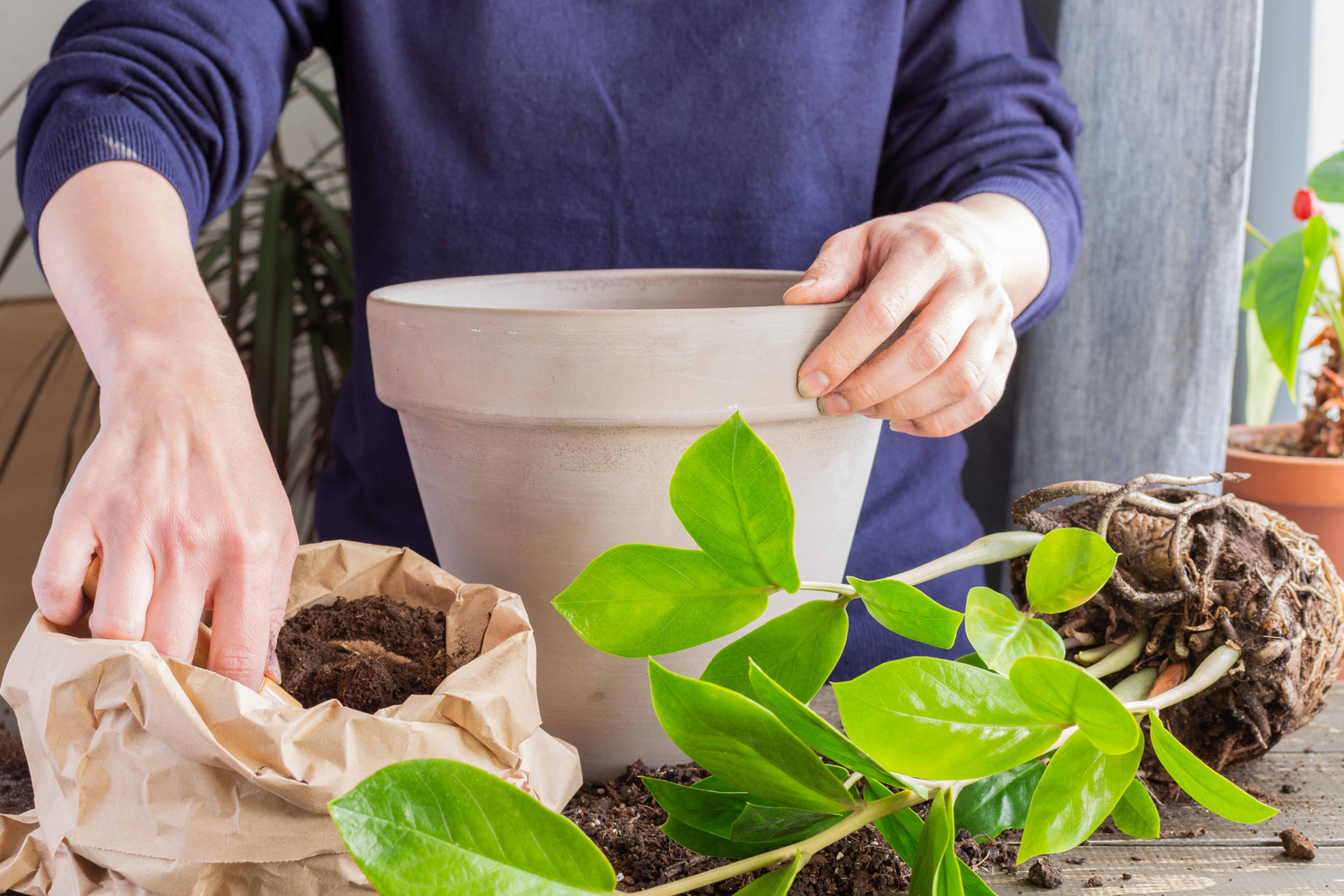
Why Moss Poles Are Essential for Climbing Houseplants
A Complete Guide to Supporting Aroids, Philodendrons, and Monsteras
Introduction: Why Your Plant Wants to Climb
The verdant jungles of Central America tell a compelling story. Towering trees create a vertical highway where epiphytic climbers journey toward precious canopy light. Your beloved houseplants — those glossy Monstera deliciosa, velvety philodendrons, and cascading pothos — carry this ancestral memory in their cellular architecture.
These botanical treasures aren't meant to sprawl across your living room floor like terrestrial groundcover. They're engineered to ascend. In their native habitats, they deploy specialized aerial roots to grip bark surfaces, creating living ladders that transport them from forest floor shadows to brilliant overhead illumination.
When you provide a moss pole, you're essentially installing a piece of tropical infrastructure in your home. This vertical support system doesn't just prop up wayward vines — it triggers profound physiological changes that unlock your plant's genetic blueprint for mature growth patterns.
"The difference between a climbing plant with proper support versus one left trailing is like comparing a wild tiger to a house cat — same species, completely different expression of potential."
Modern plant care rituals have evolved to recognize this fundamental need. Moss poles recreate the textured, moisture-rich surfaces that climbing aroids crave, transforming spindly houseplants into architectural statement pieces with dramatically enlarged foliage and robust structural integrity.
What Is a Moss Pole?
A moss pole functions as botanical scaffolding — a vertical support structure engineered to mimic the organic climbing surfaces found in tropical ecosystems. These ingenious plant accessories consist of a central core wrapped or filled with hygroscopic materials that retain moisture while providing tactile grip for aerial root attachment.
Think of it as creating a synthetic tree trunk specifically designed for your indoor jungle inhabitants. The moisture-retaining substrate — typically sphagnum moss, coconut coir, or specialized synthetic materials — maintains the humid microenvironment that aerial roots require for successful attachment and nutrient uptake.
Professional-grade moss poles deliver multiple physiological benefits that transform your plant care rituals:
- Structural stabilization — Prevents weak, etiolated growth patterns
- Hydration reservoir — Aerial roots access supplemental moisture
- Maturation catalyst — Triggers adult leaf morphology
- Vertical architecture — Eliminates leggy, sprawling vine habits
- Enhanced vigor — Promotes robust cellular development
The magic happens through mechanoreception — plants literally sense physical support and respond by allocating energy toward leaf enlargement rather than stem elongation. This phenomenon explains why wild climbing aroids develop those iconic fenestrated leaves that indoor gardeners covet.
At Jungle Relics, we've observed countless transformations when customers upgrade their trailing plants to proper climbing support. The results are consistently dramatic: compact growth habits, increased leaf size, and that coveted jungle aesthetic that makes rare plant collections truly spectacular.
Why Moss Poles Make Plants Grow Bigger Leaves
The phenomenon of leaf maturation through climbing support represents one of botany's most fascinating adaptive mechanisms. When aerial roots successfully anchor to a vertical surface, they transmit chemical signals throughout the plant's vascular system, essentially announcing "we've found our tree!"
This biochemical communication triggers a dramatic shift in resource allocation. Energy previously devoted to producing elongated internodes and searching tendrils gets redirected toward leaf development. The plant interprets successful attachment as permission to express its mature phenotype — the adult characteristics that only emerge under optimal climbing conditions.
Scientific research reveals that climbing aroids possess genetically programmed dimorphism between juvenile and adult leaf forms. Without proper support, these plants remain perpetually adolescent, never unlocking their full morphological potential.
Moss pole installation catalyzes several key physiological changes:
- Increased lamina surface area — Leaves expand to capture more photosynthetic real estate
- Enhanced fenestration patterns — Those coveted splits and holes develop naturally
- Strengthened petiole architecture — Stems thicken to support larger leaf mass
- Condensed internodal spacing — Creates fuller, more compact growth habits
| Plant Species | Trailing Growth Pattern | Climbing Growth Pattern |
|---|---|---|
| Monstera deliciosa | Elongated vines, small solid leaves | Massive fenestrated foliage up to 3 feet wide |
| Philodendron gloriosum | Sprawling terrestrial habit | Upright mature architecture with enhanced venation |
| Epipremnum aureum | Diminutive heart-shaped leaves | Dramatically enlarged climbing foliage |
The transformation timeline varies by species, but most climbing aroids begin expressing adult characteristics within 3-6 months of proper pole installation. This metamorphosis makes moss poles indispensable plant accessories for serious collectors pursuing specimen-quality growth.
Plants That Benefit Most From Moss Poles
Monstera
The genus Monstera represents the crown jewel of climbing aroids, with species that demonstrate the most dramatic transformations when provided with vertical support. These Central American natives are evolutionary masters of the climbing lifestyle.
- Monstera deliciosa — The Swiss cheese plant achieves legendary status with proper pole support
- Monstera adansonii — Develops intricate fenestration patterns when climbing
- Monstera siltepecana — Transitions from silvery juvenile leaves to massive adult foliage
Monstera deliciosa specimens can produce leaves exceeding three feet in diameter when given adequate climbing infrastructure. Without support, these same plants languish with modest 6-inch foliage — a tragic underutilization of genetic potential.
Philodendron
Philodendrons encompass over 400 species, many requiring vertical support to achieve mature characteristics. Rare philodendron cultivars particularly benefit from sophisticated moss pole systems that cater to their specialized climbing adaptations.
- Philodendron melanochrysum — Develops velvety texture and metallic sheen when climbing
- Philodendron verrucosum — Produces dramatically enlarged leaves with enhanced venation
- Philodendron micans — Transitions from bronze juveniles to substantial climbing adults
- Philodendron billietiae — Extends leaves to impressive lengths with proper support
Collectors investing in rare philodendron specimens discover that moss poles aren't optional accessories — they're essential infrastructure for unlocking the premium characteristics that justify these plants' coveted status.
Pothos & Epipremnum
Often dismissed as beginner plants, pothos and epipremnum species reveal their true magnificence when allowed to climb. These resilient climbers undergo remarkable metamorphoses that surprise even experienced plant enthusiasts.
- Neon pothos — Intensifies chartreuse coloration while enlarging leaf size
- Marble queen pothos — Develops enhanced variegation patterns
- Epipremnum pinnatum — Produces fenestrated leaves rivaling monstera specimens
The transformation is so profound that climbing pothos specimens often get misidentified as rare aroids. Their leaves can expand from typical 4-inch trailing size to impressive 12-inch climbing proportions — a 300% increase in photosynthetic surface area that dramatically enhances overall plant vigor and visual impact.
Types of Moss Poles (And When to Use Them)
1. Traditional Sphagnum Moss Pole
Best for: Aroids and tropical climbers demanding premium moisture retention
These authentic moss poles utilize high-grade sphagnum moss — nature's most effective moisture-regulating substrate. The fibrous structure creates countless microsites where aerial roots can penetrate and establish secure anchorage points.
Benefits:
- Promotes aggressive rooting directly into pole substrate
- Maintains optimal humidity levels for aerial root development
- Accelerates growth rates through enhanced nutrient uptake
Optimal species: Monstera, rare philodendrons, Epipremnum pinnatum
2. Coco Coir Pole
Best for: Budget-conscious plant parents seeking basic climbing support
Constructed from coconut husk fibers wrapped around rigid cores, these poles provide fundamental structural assistance without premium moisture management capabilities.
Benefits:
- Cost-effective entry point for moss pole experimentation
- Exceptional durability and longevity
- Adequate structural reinforcement for moderate climbers
Limitations: Inferior moisture retention compromises aerial root attachment strength
3. D-Shape Moss Pole (Modern Innovation)
Best for: Sophisticated collectors managing rare aroid specimens
These contemporary designs feature plastic backing systems filled with premium moss substrates, allowing roots to penetrate the pole interior for superior attachment security.
Revolutionary advantages:
- Extended moisture retention through enclosed design
- Facilitates robust root colonization within pole structure
- Modular stacking capability accommodates vertical growth progression
Advanced plant care rituals increasingly favor these engineered solutions for their scientific approach to climbing plant physiology.
4. Wood Plank or Natural Branch
Best for: Epiphytic species preferring organic climbing surfaces
Certain plant families evolved specifically to climb living wood rather than moss-covered substrates. These installations honor those evolutionary preferences.
Optimal applications:
- Anthurium species requiring bark-like textures
- Vanilla orchid cultivation
- Specialized philodendron varieties with wood-climbing adaptations
5. Tree Fern Pole (Premium Option)
Best for: Humidity-dependent species requiring luxury growing conditions
Crafted from genuine tree fern fiber, these poles represent the pinnacle of climbing plant accessories. The naturally occurring structure provides unmatched moisture regulation and root attachment opportunities.
Premium benefits:
- Exceptional hygroscopic properties maintain consistent moisture levels
- Ideal substrate for high-humidity tropical specimens
- Remarkable longevity justifies significant initial investment
How to Train Your Plant to Climb a Moss Pole
Successful pole training requires strategic timing and methodical technique. The process mirrors natural climbing progression, guiding your plant's instinctive behaviors while minimizing transplant shock and root disturbance.
Step 1: Install Early
Timing is absolutely critical. Install moss poles during active growing seasons when plants can quickly adapt to new infrastructure. Young specimens with flexible stems respond most favorably to training protocols.
Mature plants with established root systems resist repositioning and may experience significant stress during pole installation. Early intervention prevents these complications while establishing proper growth architecture from the beginning.
Step 2: Attach the Vine
Secure attachment requires gentle but firm guidance systems that won't damage delicate plant tissues. Professional-grade materials ensure long-term success:
- Plant velcro — Adjustable straps accommodate stem expansion
- Soft natural twine — Biodegradable option that won't constrict growth
- Specialized plant clips — Purpose-designed hardware for optimal attachment
Position nodes directly against the moss surface to encourage aerial root contact. These specialized stem segments contain the hormonal machinery necessary for successful attachment and climbing behavior.
Step 3: Keep the Moss Moist
Consistent substrate moisture activates aerial root development and attachment responses. Desiccated poles repel root growth, essentially creating climbing obstacles rather than climbing aids.
Implement regular misting schedules or utilize targeted watering techniques that maintain optimal moss hydration without oversaturating the primary potting medium. This dual-zone moisture management represents advanced plant care ritual sophistication.
Step 4: Extend the Pole
Vigorous climbing growth quickly outpaces initial pole height. Modular systems allow seamless vertical expansion without disturbing established root attachments.
Plan for this inevitable extension during initial installation by selecting stackable pole designs or installing oversized supports that accommodate future growth trajectories. Proactive planning prevents disruptive reconstruction projects.
Moss Pole Care Tips
Successful moss pole maintenance transforms climbing plant cultivation from basic houseplant care into sophisticated horticultural artistry. These specialized plant accessories demand consistent attention to moisture levels, positioning, and nutritional support.
Keep the pole slightly moist
Maintaining optimal substrate hydration represents the most critical aspect of moss pole management. Desiccated moss creates an inhospitable environment that actively repels aerial root development. The surface should feel consistently damp but never waterlogged — achieving that perfect balance requires developing tactile sensitivity to moisture levels.
Professional growers often install micro-irrigation systems or implement structured misting schedules to ensure consistent hydration without manual oversight. This automated approach prevents the common mistake of irregular watering that disrupts aerial root establishment.
Rotate the plant occasionally
Phototropic responses create asymmetrical growth patterns when plants receive unidirectional light exposure. Regular rotation — approximately 90 degrees every two weeks — ensures balanced canopy development and prevents excessive leaning that can compromise pole attachment integrity.
This rotation ritual also allows inspection of aerial root progression from multiple angles, enabling early detection of attachment issues or moisture distribution problems that might otherwise go unnoticed.
Feed the plant regularly
Climbing growth dramatically increases metabolic demands as plants allocate energy toward both vertical expansion and enlarged leaf production. Standard fertilization schedules often prove inadequate for actively climbing specimens.
Enhanced nutrition protocols should include balanced liquid fertilizers applied bi-weekly during growing seasons, supplemented with foliar feeding that directly supports aerial root development. The increased growth velocity makes nutritional deficiencies more pronounced and problematic.
Upgrade poles as plants mature
Vigorous climbing species quickly outgrow initial support infrastructure. Mature Monstera deliciosa specimens may require poles exceeding six feet in height with substantial circumference to accommodate massive aerial root systems and oversized foliage weight.
Monitor structural integrity regularly, watching for signs that current poles are becoming inadequate for the plant's expanding needs. Proactive upgrades prevent structural failures that can damage both plant and surrounding areas.
DIY Moss Pole vs Store-Bought
The decision between crafting custom moss poles and purchasing commercial versions involves weighing initial investment against long-term performance and durability. Many dedicated plant enthusiasts embrace DIY construction as part of their plant care rituals, viewing pole creation as an extension of their horticultural practice.
DIY moss pole construction typically utilizes readily available materials:
- PVC pipe cores — Provides structural backbone and drainage capability
- Hardware cloth or mesh — Contains moss substrate while allowing root penetration
- Premium sphagnum moss — Creates the moisture-retaining climbing surface
Homemade solutions offer complete customization control. You can engineer specific dimensions, select premium materials, and create modular designs tailored to your exact space requirements and plant species needs.
However, commercial moss poles undergo engineering refinements that amateur construction often cannot replicate. Professional manufacturers utilize moisture-wicking technologies, anti-fungal treatments, and precisely calculated substrate densities that optimize aerial root attachment rates.
The durability differential becomes apparent over extended timeframes. While DIY poles may initially perform adequately, they frequently require reconstruction within 12-18 months as materials degrade or structural integrity compromises. Quality commercial alternatives often maintain functionality for multiple years with minimal maintenance.
Cost analysis reveals nuanced considerations beyond initial material expenses. DIY construction requires significant time investment, specialized tools, and often multiple iterations to achieve optimal performance. When factoring labor and refinement costs, commercial poles frequently represent superior value propositions.
At Jungle Relics, we've observed that collectors managing rare aroid specimens increasingly prefer engineered solutions that eliminate variables and ensure consistent performance. The stakes become too high to risk suboptimal DIY infrastructure with valuable plant investments.
Common Moss Pole Mistakes
Even experienced plant collectors fall victim to seemingly minor oversights that sabotage moss pole effectiveness. These prevalent errors can transform beneficial plant accessories into growth impediments, wasting both time and botanical potential.
Letting the pole dry out
Desiccation represents the most catastrophic moss pole failure mode. Aerial roots require consistent moisture to initiate attachment sequences and maintain active growth. Once substrate moisture drops below critical thresholds, roots retract and cease exploratory behavior.
The recovery timeline from severe dehydration often extends 4-6 weeks as plants must regenerate aerial root systems and rebuild confidence in the climbing substrate. This setback significantly delays the maturation benefits that justify moss pole installation.
Installing too late
Mature vines develop rigid growth patterns that resist redirection toward vertical supports. Established trailing habits become deeply ingrained in the plant's structural architecture, making pole training exponentially more challenging.
Late installation often requires aggressive pruning to eliminate wayward growth, essentially forcing plants to restart their climbing journey from reduced biomass. This regression wastes months or years of previous growth investment.
Using poles that are too short
Underestimating ultimate plant height creates recurring upgrade requirements that disrupt established aerial root attachments. Vigorous climbing species can gain 2-3 feet annually under optimal conditions, quickly overwhelming modest pole infrastructure.
Short poles also limit leaf development potential since plants modulate leaf size based on available vertical territory. Cramped climbing space essentially caps the dramatic foliage expansion that makes moss poles worthwhile.
Neglecting rotation protocols
Unidirectional growth creates structural imbalances that compromise long-term stability. Plants developing excessive lean can eventually detach from poles or create unsafe top-heavy configurations.
Inadequate attachment during initial training
Loose or insufficient securing allows stems to drift away from moss surfaces before aerial roots can establish contact. This gap prevents the chemical signaling that triggers climbing behavior and mature growth patterns.
Final Thoughts: A Moss Pole Changes Everything
The transformation that occurs when climbing plants receive proper vertical support transcends simple horticultural improvement — it represents a fundamental shift from surviving to thriving. Moss poles don't just prop up wayward vines; they unlock evolutionary programming that has remained dormant in countless living rooms worldwide.
Consider the profound metamorphosis: a trailing Monstera deliciosa with modest 6-inch leaves suddenly producing fenestrated giants spanning three feet. The same genetic material, the same root system, but completely different expression of botanical potential. This dramatic transformation exemplifies why moss poles have become indispensable plant accessories for serious collectors.
The investment in quality climbing infrastructure pays dividends across multiple dimensions. Beyond the obvious aesthetic improvements, properly supported plants demonstrate enhanced disease resistance, accelerated growth rates, and improved longevity. The structural integrity that comes from natural climbing behavior creates resilient specimens that weather environmental stresses with greater success.
Modern plant care rituals increasingly recognize that providing appropriate support isn't optional luxury — it's fundamental plant welfare. Just as we wouldn't expect terrestrial plants to thrive without soil, expecting climbing aroids to reach their potential without vertical support defies their evolutionary heritage.
For urban plant enthusiasts seeking to create authentic jungle aesthetics in their homes, moss poles represent the bridge between houseplant hobby and serious botanical curation. They transform collections from assemblages of struggling specimens into dramatic displays that capture the vertical majesty of tropical ecosystems.
Whether you're nurturing a treasured Philodendron melanochrysum or encouraging a humble pothos to reveal its climbing magnificence, a moss pole isn't just an upgrade — it's an invitation for your plants to become everything they were meant to be. The jungle is calling, and your plants are ready to climb.
Frequently Asked Questions About Moss Poles
Do moss poles actually help plants grow bigger leaves?
Yes. Moss poles encourage climbing plants to attach their aerial roots to a vertical surface, which signals the plant that it has found a tree to climb. This triggers the plant’s mature growth phase, leading to larger leaves, stronger stems, and natural fenestrations in species like Monstera and Philodendron.
What plants need a moss pole?
Moss poles are best for climbing tropical plants, especially aroids.
Common plants that benefit from moss poles include:
• Monstera deliciosa • Monstera adansonii • Philodendron melanochrysum • Philodendron verrucosum • Philodendron micans • Epipremnum pinnatum • Pothos (Epipremnum aureum) • Rhaphidophora tetrasperma
Without support, these plants tend to trail with smaller leaves instead of climbing with mature foliage.
Is a moss pole better than a stake?
Yes, for climbing plants. A stake simply holds a plant upright, while a moss pole provides a moist, textured surface that aerial roots can attach to.
Because of this, moss poles allow plants to:
• Root into the pole • Access extra moisture • Climb naturally • Produce larger leaves
Stakes are best for structural support, while moss poles mimic natural climbing surfaces.
Should moss poles stay wet or dry?
Moss poles should stay slightly moist but not dripping wet.
Keeping the moss damp encourages aerial roots to grow into the pole. If the pole dries out completely, roots will often ignore it.
A good routine is to:
• Mist the pole every few days • Pour water slowly down the pole • Water it when you water your plant
The moss should feel cool and slightly damp to the touch.
How do you get a plant to attach to a moss pole?
To train a plant to climb a moss pole:
- Place the pole near the plant’s main stem.
- Gently guide the vine upward.
- Secure the stem with plant velcro, clips, or soft twine.
- Position nodes against the moss.
- Keep the pole slightly moist.
Within a few weeks, aerial roots will usually grab onto the moss and begin climbing naturally.
Can pothos grow on a moss pole?
Yes — and the transformation can be dramatic.
When pothos climbs a moss pole:
• Leaves become much larger • Variegation often becomes more pronounced • Growth becomes fuller and more compact
Climbing pothos can grow leaves 3–4 times larger than trailing vines.
How tall should a moss pole be?
Choose a moss pole that is at least 1–2 feet taller than your plant.
Many climbing plants grow rapidly, so it’s helpful to choose:
• Stackable moss poles • Extendable poles • Oversized poles for mature plants
Some Monstera and Philodendron specimens eventually require poles 5–6 feet tall or more.
Can you make a moss pole yourself?
Yes. DIY moss poles are commonly made using:
• PVC pipe or wooden stakes • Wire mesh or hardware cloth • Sphagnum moss
While DIY poles can work well, store-bought poles often provide better moisture retention and durability, especially for rare or expensive plants.
How often should you water a moss pole?
Most moss poles should be watered every 3–7 days, depending on humidity.
In dry homes, they may need watering more frequently.
Signs your pole needs water:
• Moss feels dry or crunchy • Aerial roots look shriveled • Roots are not attaching
A consistently moist pole encourages strong root attachment and faster climbing growth.
Are moss poles necessary for Monstera?
Technically no — Monstera can grow without one.
However, without a moss pole they usually:
• Sprawl or trail • Produce smaller leaves • Develop fewer fenestrations
With a moss pole, Monstera plants grow upright with dramatically larger leaves, closer to how they grow in the wild.
What is the best moss pole for Monstera?
The best moss poles for Monstera are:
• Sphagnum moss poles • D-shape moss poles • Tree fern fiber poles
These hold moisture well and allow aerial roots to penetrate the pole, giving stronger support.
Can you reuse a moss pole?
Yes, moss poles can be reused.
Before reusing one:
- Remove old roots and debris
- Rinse the moss thoroughly
- Let it dry slightly
- Inspect for mold or pests
If the moss is degraded, you can replace the moss while keeping the pole structure.