A Jungle Relics Journal Feature
Introduction: The Pot Is Part of the Plant's Story
Every extraordinary plant collection begins with a fundamental truth that novice plant parents often overlook: the vessel you choose becomes an integral component of your plant's vitality and longevity. The pot isn't merely a decorative afterthought—it's the foundation that determines whether your beloved Monstera deliciosa will flourish with fenestrated magnificence or struggle against waterlogged roots.
When you understand how pot selection directly influences watering patterns, root development, and long-term growth trajectories, you transform from a casual plant owner into a cultivator of thriving botanical ecosystems. The porous breathability of unglazed terracotta creates vastly different growing conditions than the moisture-retentive properties of glazed ceramic. Each material choice ripples through every aspect of plant care, from how frequently you'll reach for your watering can to how robustly your plant's root system will establish itself.
Balancing aesthetics with practical plant care requires a discerning eye that appreciates both horticultural science and design sensibility. Your rare Philodendron melanochrysum deserves a home that showcases its velvety, golden-veined foliage while providing the precise drainage and aeration its epiphytic nature demands.
Thoughtful potting creates more than just healthier plants—it cultivates an intentional living space where each botanical specimen occupies its perfect niche. When you master the art of matching container to plant, you'll witness transformations that extend far beyond mere survival into the realm of spectacular growth and visual harmony.
Understanding Modern Houseplant Pot Types
Clear Nursery Pots
Professional propagators and discerning collectors have long recognized clear nursery pots as the gold standard for monitoring plant health with unprecedented precision. These translucent vessels function as windows into your plant's underground world, revealing the intricate dance of root development and moisture distribution that remains hidden in opaque containers.
For rare plants, aroids, and newly acquired or particularly sensitive specimens, clear pots provide invaluable diagnostic capabilities. You can observe whether roots are actively growing, circling the container's perimeter, or showing signs of distress before external symptoms manifest in the foliage. This transparency proves especially crucial when acclimating exotic varieties to new environments or monitoring recovery after repotting trauma.
The visual feedback these containers provide supports healthier watering habits by eliminating the guesswork that leads to overwatering casualties. When you can see exactly how moisture permeates through different soil layers and observe the gradual transition from saturated to appropriately dry conditions, you develop an intuitive understanding of your plant's hydration rhythms.
Plastic Grow Pots
Lightweight and remarkably flexible, plastic grow pots offer moisture-retentive properties that tropical plants find irresistibly appealing. Their non-porous construction maintains consistent humidity levels around root zones, creating the stable hydration environment that species from rainforest understories naturally crave.
These utilitarian vessels excel when caring for tropical varieties that prefer consistent moisture without the dramatic wet-to-dry cycles that some other pot materials impose. The flexibility of quality plastic pots also protects delicate root systems during repotting, as gentle squeezing can release even the most root-bound specimens without traumatic pulling or cutting.
Perhaps most ingeniously, plastic grow pots nest perfectly inside decorative outer containers, providing styling flexibility that allows you to change your aesthetic direction without disturbing established root systems. This adaptability proves invaluable for plant enthusiasts who enjoy refreshing their interior landscapes with seasonal decorative updates.
Terracotta Pots
The porous clay composition of terracotta creates a breathing vessel that facilitates exceptional airflow and accelerated soil drying—characteristics that prove tremendously beneficial for plants preferring drier conditions or for gardeners prone to overzealous watering habits. This natural porosity allows excess moisture to evaporate through the container walls, creating a self-regulating system that helps prevent the soggy soil conditions that lead to root rot disasters.
Beyond their functional superiority for certain plant categories, terracotta pots bring an earthy, organic texture that harmonizes beautifully with botanical styling philosophies. The warm, matte finish of aged terracotta develops a distinctive patina over time, creating containers that feel authentically connected to the natural world rather than mass-produced and sterile.
For plant parents who tend toward generous watering schedules, terracotta provides a forgiving buffer that helps prevent the catastrophic overwatering that claims so many beloved houseplants. The clay literally wicks away excess moisture, creating a more balanced root environment even when watering timing isn't perfectly calibrated.
Ceramic Pots
Ceramic vessels transform functional plant housing into sculptural statements that command attention through their substantial weight and refined craftsmanship. These containers occupy the intersection of horticultural necessity and artistic expression, offering design-forward solutions that elevate plant displays into curated exhibitions.
The crucial distinction between glazed and unglazed ceramic finishes dramatically affects moisture retention characteristics. Glazed surfaces create impermeable barriers that hold water similarly to plastic, while unglazed ceramic maintains some of terracotta's beneficial breathability. Understanding this fundamental difference allows you to select ceramic containers that align with your specific plant's hydration preferences.
When paired with proper drainage solutions, ceramic pots become ideal vehicles for statement displays that anchor room designs around spectacular botanical focal points. Their substantial presence provides visual weight that balances large plants while offering endless opportunities for color coordination with existing décor palettes.
Why We Recommend Clear Nursery Pots Inside Designer Planters
The double-potting method represents the professional standard employed by discerning plant shops and botanical curators who refuse to compromise between plant health and aesthetic excellence. This ingenious system involves housing your plant in a clear or plastic nursery pot, which then sits inside a decorative cache pot or planter of your choosing.
This approach maintains critical drainage while achieving elevated styling that transforms ordinary plant displays into museum-quality exhibitions. The inner pot handles all the functional requirements—drainage holes, appropriate sizing, and root health monitoring—while the outer vessel provides the visual impact that anchors your design scheme.
"The most successful plant parents understand that their job isn't just keeping plants alive—it's creating conditions where plants can truly thrive while contributing to beautifully designed spaces."
Repotting becomes significantly easier when you employ this system, as you can monitor root health and perform soil changes without disturbing your carefully arranged decorative elements. The plant simply lifts out of its cache pot, receives its care, and slides back into position. No wrestling with heavy ceramic containers or risking damage to expensive planters during routine maintenance.
Using decorative cache pots safely requires vigilance about excess moisture accumulation. Always ensure your inner pot has adequate drainage holes, and check the cache pot's bottom regularly to remove any standing water that could create anaerobic conditions around your plant's roots. A thin layer of pebbles or activated charcoal in the cache pot's base can provide additional protection against moisture-related complications.
Plastic vs. Terracotta vs. Ceramic: How to Choose the Right Fit
Different pot materials fundamentally alter watering frequency requirements, creating distinct care rhythms that successful plant parents learn to recognize and accommodate. Plastic and glazed ceramic containers retain moisture significantly longer than porous terracotta, meaning plants housed in these materials typically require less frequent watering sessions.
Weight and stability considerations become increasingly important as your plant collection matures and specimens reach substantial sizes. While lightweight plastic excels for smaller plants and frequent rearrangement, larger tropical statement plants benefit from the gravitational anchor that heavy ceramic or substantial terracotta provides.
Matching pot types to specific plant categories requires understanding each species' native habitat preferences:
- Monstera and climbing aroids thrive in moisture-retentive plastic or glazed ceramic that mimics their tropical origins
- Begonias and delicate foliage plants appreciate consistent humidity from non-porous containers with excellent drainage
- Succulents and drought-tolerant species demand the rapid drying action that only unglazed terracotta can provide
- Large tropical statement plants require substantial ceramic planters that provide both stability and visual proportionality
The key lies in understanding that pot selection directly influences your plant's microenvironment, creating conditions that either support or challenge its natural growth patterns. When you align container choice with botanical preferences, you eliminate many common care challenges before they begin.
Plant Styling with Intention
Minimal Modern Styling
Minimal modern styling celebrates the architectural beauty of plant forms through restrained container choices that never compete with spectacular foliage. Neutral ceramics in whites, greys, and soft earth tones create sophisticated backdrops that allow leaf shape and texture to command center stage.
This approach works magnificently with plants possessing dramatic structural elements—think Strelitzia nicolai with its paddle-shaped leaves or Ficus lyrata showcasing those iconic fiddle-shaped forms. The container becomes invisible, directing all visual attention to the plant's natural geometry and growth patterns.
Earthy Botanical Styling
Terracotta containers paired with moss poles, natural fiber elements, and layered height arrangements create warmth and organic movement that transforms living spaces into jungle sanctuaries. This styling philosophy embraces textural variety and natural imperfections that mirror how plants grow in their native habitats.
Layering different container heights creates visual rhythm and depth, while incorporating natural elements like driftwood, river stones, and woven baskets establishes connections to the broader natural world. The result feels authentically wild rather than artificially curated.
Luxe Designer Styling
Sophisticated decorative outer pots concealing hidden nursery containers represent the pinnacle of luxurious plant styling. This approach allows for mixing matte, glossy, and textured finishes that create compelling visual depth while maintaining optimal plant health through the double-potting system.
| Styling Approach | Best Container Types | Ideal Plant Matches |
|---|---|---|
| Minimal Modern | Neutral ceramics, clean lines | Architectural foliage plants |
| Earthy Botanical | Terracotta, natural materials | Tropical varieties, trailing plants |
| Luxe Designer | Statement ceramics, mixed finishes | Rare specimens, focal point plants |
Jungle Relics Styling Philosophy
Our curatorial approach emphasizes selecting pot tones that complement rather than clash with natural variegation patterns and leaf coloration. A Philodendron 'Pink Princess' deserves a container that enhances its pink splashes without overwhelming them, while deep green foliage plants can handle more adventurous color choices.
Strategic use of negative space elevates rare plants by giving them room to breathe and develop their full visual impact. Overcrowded displays diminish each specimen's individual beauty, while thoughtful spacing creates dramatic focal points that showcase your collection's most prized specimens.
Common Potting Mistakes We See (and How to Avoid Them)
The most catastrophic error novice plant enthusiasts make involves selecting containers without adequate drainage or airflow considerations. Beautiful ceramic vessels without drainage holes become death traps for even the most resilient houseplants, creating anaerobic conditions that lead to inevitable root rot disasters.
Oversizing containers too aggressively represents another frequently observed mistake that stems from well-intentioned but misguided thinking. Plants don't appreciate excessive soil volume around their root systems—instead, they prefer gradual transitions to slightly larger homes that allow roots to explore new territory without becoming overwhelmed by vast expanses of unused soil that retains moisture destructively.
Many plant parents fall into the trap of selecting containers based purely on aesthetic appeal rather than considering their plant's fundamental needs. That gorgeous glazed ceramic pot might perfectly match your décor palette, but if you're housing a succulent that requires rapid soil drying, you're setting both yourself and your plant up for frustration and failure.
Perhaps most importantly, forgetting that drainage matters infinitely more than pot material leads to countless plant casualties. Even the most breathable terracotta becomes problematic without proper drainage holes, while plastic containers with excellent drainage can successfully house plants that theoretically prefer porous materials.
Coming Soon: The Jungle Relics Plant Bar
Our upcoming Plant Bar experience will revolutionize how plant enthusiasts approach container selection through personalized pot matching services that consider both your specific plant's requirements and your unique home environment. This isn't simply about selling containers—it's about creating lasting partnerships between plants, pots, and people.
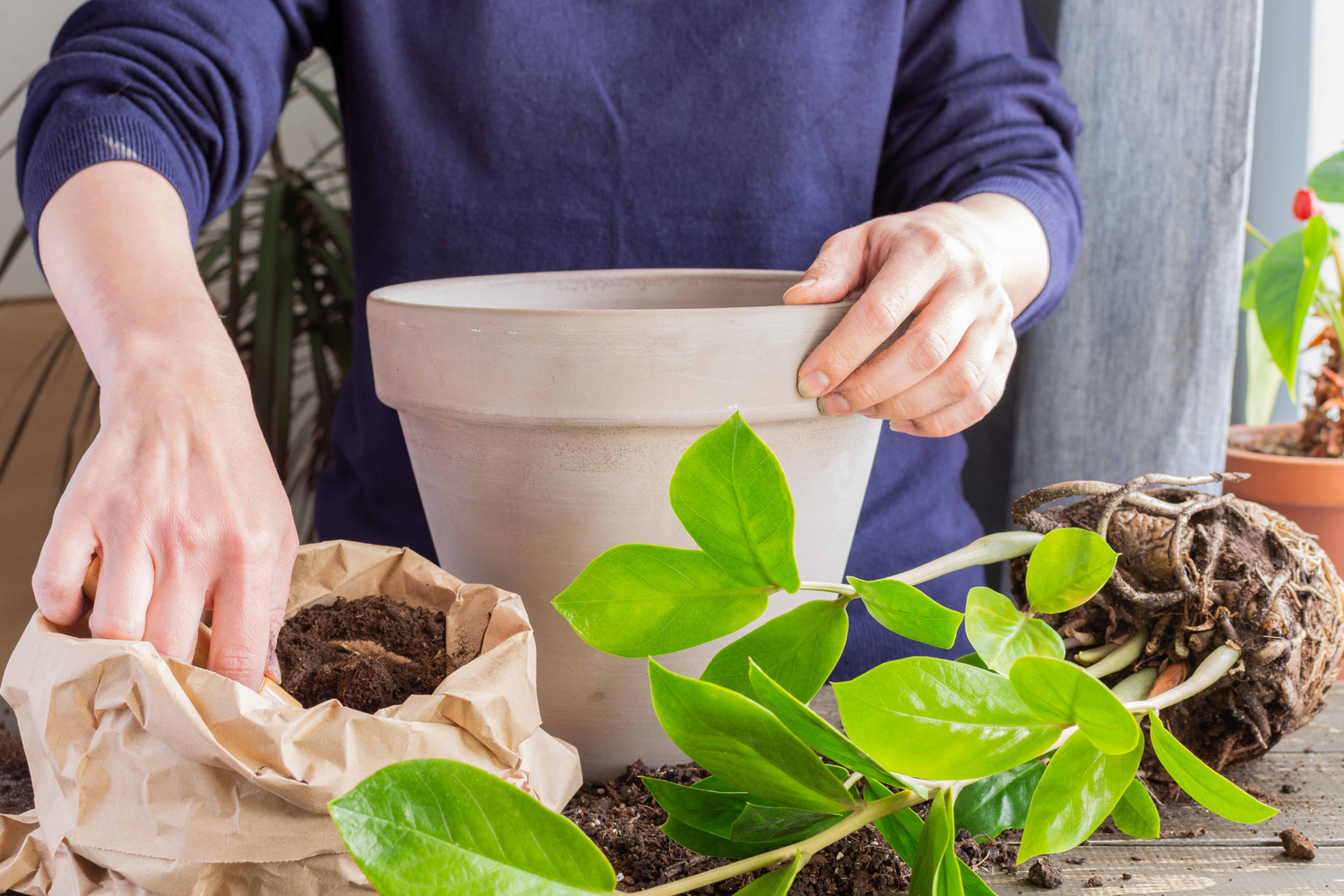
Hands-on repotting support ensures your newly acquired botanical treasures receive the optimal start in their forever homes. Our experienced team will guide you through proper soil selection, root health assessment, and container transition techniques that minimize transplant shock while maximizing long-term success.
Expert guidance on pairing clear nursery pots with designer planters will eliminate the guesswork from achieving professional-quality displays. You'll learn the subtle art of balancing functional plant care with elevated aesthetic presentation that transforms ordinary rooms into extraordinary botanical galleries.
This dedicated space represents our commitment to helping plant enthusiasts create true "forever homes" for their green companions—environments where spectacular growth isn't just possible but inevitable. Through thoughtful container selection, proper potting techniques, and ongoing support, every plant becomes a testament to the transformative power of intentional horticultural practices.
The art of choosing the perfect pot extends far beyond simple container selection into the realm of creating harmonious relationships between plants, their homes, and the humans who care for them. When you master these principles, every plant in your collection becomes a living sculpture that enhances both your space and your daily life with natural beauty and vitality.